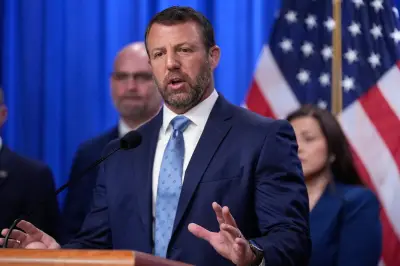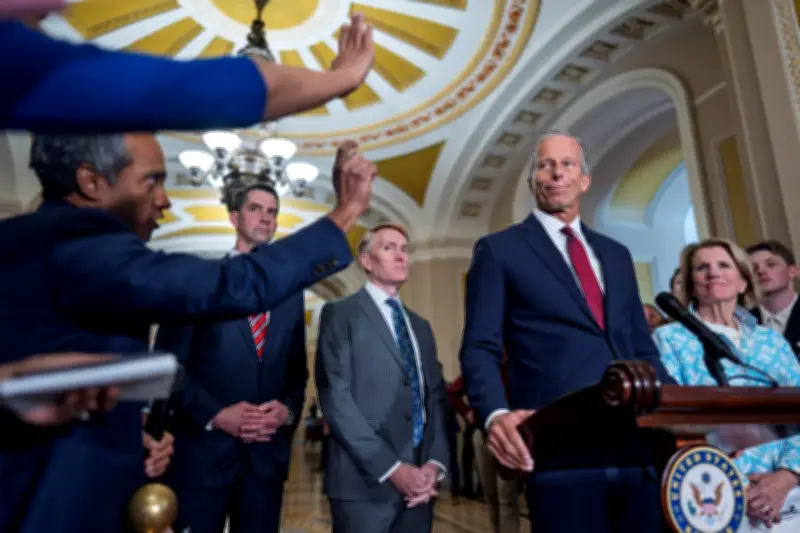
The U.S. Senate for the first time approved a war powers resolution, delivering a bipartisan rebuke to President Donald Trump over his handling of the Iran conflict. The measure, which passed with a vote of 55-45, asserts Congress's authority to limit military action without explicit congressional authorization.
Resolution Details and Bipartisan Support
The resolution, introduced by Senator Tim Kaine (D-VA), requires the president to cease hostilities against Iran within 30 days unless Congress declares war or passes specific authorization. Eight Republican senators crossed party lines to support the measure, including Susan Collins (ME), Lisa Murkowski (AK), and Rand Paul (KY). Senate Majority Leader John Thune (R-SD) opposed the resolution, arguing it would undermine the president's ability to protect U.S. interests.
Trump Administration Response
The White House issued a statement calling the resolution "dangerous and misguided," vowing a veto if it reaches the president's desk. Press Secretary Kayleigh McEnany said, "President Trump will always act to defend American lives and interests. This resolution ties the hands of our commanders in the field." The House is expected to take up a similar measure next week, where it likely faces a veto-proof majority.

Context of Iran Tensions
The resolution follows escalating tensions after a U.S. drone strike killed Iranian General Qasem Soleimani in January 2020, leading to Iranian retaliatory strikes on Iraqi bases housing U.S. troops. The Trump administration cited imminent threats, but critics argued the strike lacked congressional approval. Senator Kaine stated, "This is about upholding the Constitution. No president, regardless of party, should take this nation to war without a vote of the people's representatives."
Implications for Future Conflicts
This marks the first Senate passage of a war powers resolution since the War Powers Act of 1973, which was enacted over President Nixon's veto. Legal experts say the resolution could face challenges in court, but it sends a strong signal about congressional oversight. According to the Congressional Research Service, the U.S. has engaged in over 30 military operations without formal declarations of war since World War II.