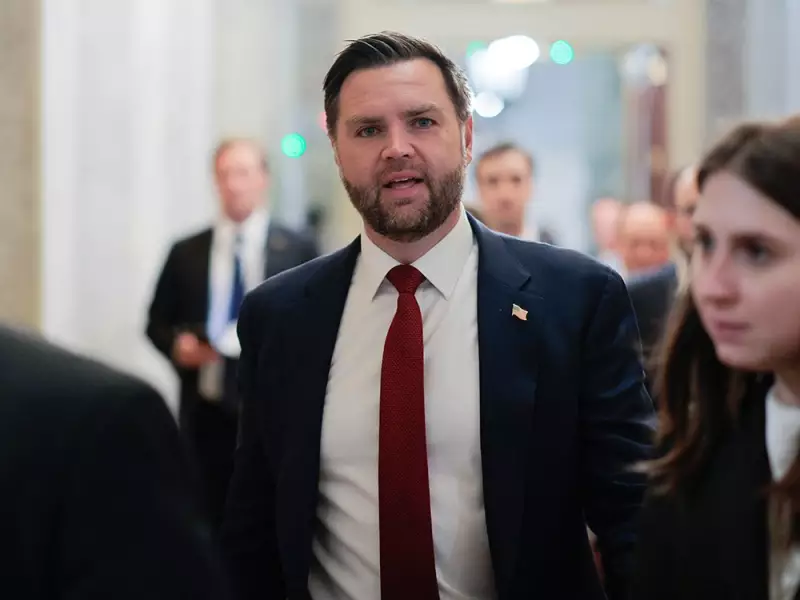
In a significant display of political unity, U.S. Senate Republicans, following direct pressure from President Donald Trump, successfully blocked a resolution aimed at curbing further military action in Venezuela. The vote, which required Vice President JD Vance to break a tie, effectively quashes one of the most prominent congressional challenges to Trump's executive power since his return to office.
Trump's Fiery Campaign Flips Votes
The procedural vote on Wednesday, January 14, 2026, followed a series of fiery phone calls from President Trump to Republican defectors. Just last week, those senators had voted to advance the war powers resolution, which expressed congressional opposition to escalating U.S. military involvement in Venezuela. Trump's personal intervention proved decisive in flipping key votes, highlighting the ongoing political peril for GOP members who oppose the president's agenda.
The resolution was introduced by Democrats after U.S. troops captured Venezuelan leader Nicolas Maduro and his wife in a nighttime raid earlier in January. Lawmakers from both parties had voiced strong complaints about the lack of prior consultation with Congress before the military operation was ordered.

The Key Senators Who Switched Sides
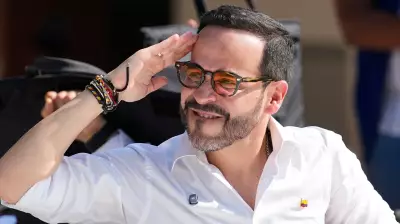
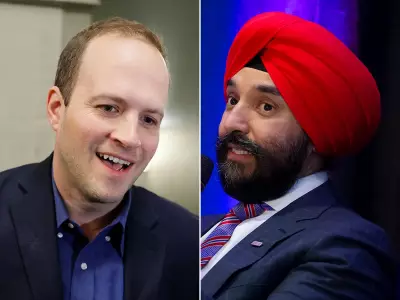
Last week, five Republican senators broke ranks to advance the measure: moderates Susan Collins, Lisa Murkowski, and Todd Young, alongside the more isolationist-leaning Rand Paul and Josh Hawley. Following Trump's pressure campaign, the dynamics shifted dramatically.
By Wednesday's crucial vote, Young and Hawley had switched their positions and voted to block the resolution. At least three of the original defectors—Hawley, Murkowski, and Collins—received blunt phone calls from Trump in the intervening days. Senator Murkowski described her conversation with the president as brief, stating, "It wasn't much of a conversation."
Assurances and Political Calculations
Senator Hawley indicated that he had spoken with Secretary of State Marco Rubio and received assurances that the U.S. had no plans to deploy ground troops into Venezuela. Similarly, Senator Young said he was satisfied by a letter from Rubio stating that Trump would seek congressional authorization for any "major" military action in Venezuela if circumstances allowed.
The political stakes were particularly high for Senator Collins, who faces a difficult reelection battle in Maine later in 2026. Her vote to support Trump's agenda marks a notable shift. The legislation was never expected to become law, as Trump had promised a veto, but the Senate's action prevents a direct rebuke of his Venezuela policy.
Republicans ultimately blocked the measure on procedural grounds, arguing that the War Powers Resolution was not applicable because the United States is not engaged in ongoing hostilities. This outcome underscores the formidable challenge of checking presidential war powers within the current political landscape, especially when the commander-in-chief actively rallies his party's support.