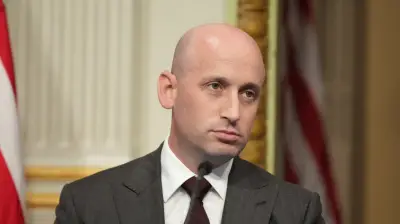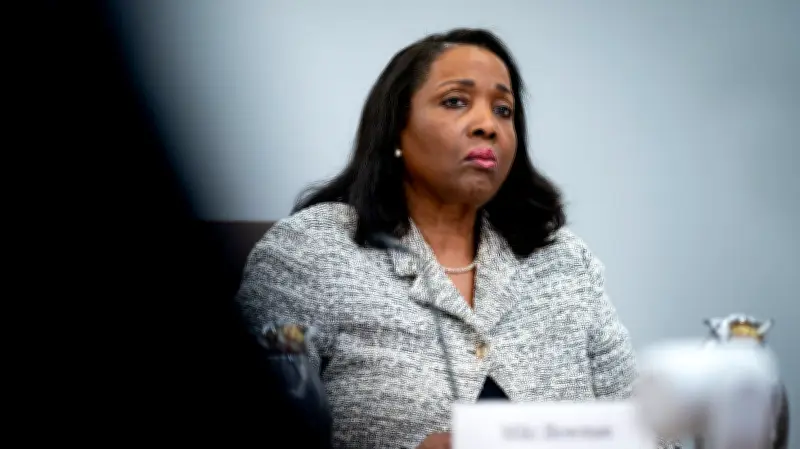
The Supreme Court on Monday blocked President Donald Trump’s attempt to seize control of the Federal Reserve, ruling 5-4 in Trump v. Cook that he could not fire Reserve Board governor Lisa Cook based solely on fabricated charges of mortgage fraud.
Chief Justice John Roberts wrote the majority opinion, joined by Justices Brett Kavanaugh, Sonia Sotomayor, Elena Kagan, and Ketanji Brown Jackson. The decision denied the Trump administration’s request to stay a lower court order that prevented Trump from removing Cook.
Court Rejects Trump’s Broader Arguments
While the ruling ends there, Roberts also argued that Trump’s further claims—that the president’s power to fire Federal Reserve board governors for cause is not reviewable by courts and that there is a low bar to prove cause—are unlikely to succeed.

“To accept any one of those arguments would in effect transform the Federal Reserve’s for-cause protection into at-will employment—an interpretive leap out of step with the statute Congress enacted and our Nation’s tradition of central banking protected from political interference,” Roberts wrote.
Background of the Case
Trump purported to fire Cook on August 25, 2025, in a bid to take control of the Federal Reserve. Congress created the Fed with a stipulation that the president could only fire board governors for cause, not for policy disagreements, insulating economic regulators from political pressure.
Trump claimed that mortgage fraud allegations against Cook—dredged up by Federal Housing Finance Agency Chair Bill Pulte, a Trump loyalist—amounted to cause for her firing. Removing Cook would have allowed Trump to appoint a new governor more likely to pursue his desired policy of lowering interest rates. However, those allegations have been discredited.
Legal Challenges and Supreme Court Review
Cook sued to retain her position. A district court judge ruled that Trump could not fire Cook because “conduct that occurred before they began in office” cannot justify a for-cause firing. The D.C. appeals court declined to stay that order, allowing Cook to remain, and Trump appealed to the Supreme Court.
Arguments before the court in January did not favor Trump. Multiple conservative justices questioned the idea that the president could circumvent the for-cause removal protections by inventing a cause. “It incentivizes a president to come up with … trivial or inconsequential or old allegations that are difficult to disprove,” said Justice Brett Kavanaugh, a Trump appointee.