Syria's first public trial of officials from the ousted government of President Bashar Assad opened Sunday in Damascus, marking a historic step toward accountability for alleged atrocities during the country's civil war.
Historic Proceedings
The trial, held at the Palace of Justice in the capital, features Atef Najib, the former head of the Political Security Branch in the Daraa area, as one of the key defendants. Najib, along with other former security and military officials, faces charges including crimes against humanity, torture, and unlawful detention.
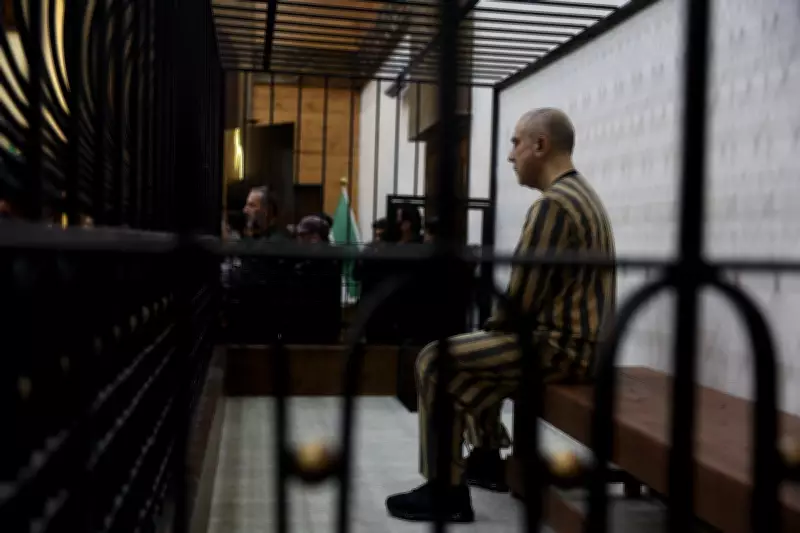
Najib sat inside a defendants' cage during the session, as prosecutors presented evidence linking him to widespread abuses during the early years of the conflict that began in 2011. The trial is being closely watched by human rights groups and the international community as a test of Syria's ability to deliver justice after decades of authoritarian rule.

Background of the Case
The defendants are accused of orchestrating the arrest, torture, and killing of protesters and civilians during the uprising against Assad. Daraa, often called the cradle of the revolution, saw some of the first protests and subsequent crackdowns. Najib's branch was notorious for its role in suppressing dissent.
The trial is part of a broader effort by Syria's new authorities to hold accountable those linked to the former regime's security apparatus. However, questions remain about the fairness and transparency of the proceedings, given the country's fragile political transition.
Reactions and Implications
Human rights organizations have welcomed the trial as a step toward justice but emphasize the need for due process and international standards. The Syrian government has pledged to ensure a fair trial, while victims' families hope for closure after years of impunity.
The trial is expected to continue for several months, with more defendants likely to be brought before the court. It represents a significant departure from the past, when senior officials operated with near-total immunity.