Former President Donald Trump has moved to solidify influence over a federal arts body by appointing several loyalists to the commission tasked with reviewing plans for a new White House ballroom.
New Appointments to Key Panel
The appointments were confirmed on January 16, 2026, placing Trump allies on the Commission of Fine Arts. This influential panel holds significant sway over the aesthetic and design elements of federal projects within the Washington, D.C. capital region, including the ongoing construction at the White House.
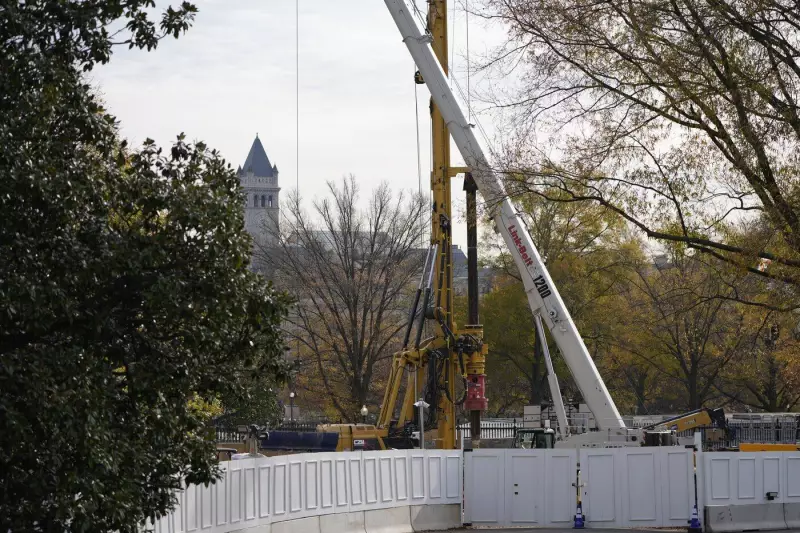
The construction in question is a new ballroom being built on the East Wing of the White House. Work has been visibly progressing, as documented in a November 23, 2025, photograph by The Associated Press. The commission's role involves reviewing the architectural and design plans for such high-profile projects to ensure they meet historical and aesthetic standards.

Context and Potential Implications
By populating the commission with appointees considered personally and politically aligned, observers suggest Trump aims to exert direct control over the final approval and potential modification of the ballroom's design. This move is seen as part of a broader pattern of placing supporters in positions that can influence long-term federal projects and their legacy.
The Commission of Fine Arts is traditionally a non-partisan body focused on design excellence. The injection of overtly political appointments could shift its dynamics and decision-making process, especially for a project as symbolically charged as a White House ballroom.
Looking Ahead for the Project
With the new members in place, the commission's forthcoming reviews of the ballroom plans will be closely watched. The project continues to be a focal point, representing not just a physical expansion of the presidential residence but also a potential flashpoint in the intersection of politics, art, and architecture.
The development underscores how administrative appointments can have tangible effects on the built environment of the nation's capital, potentially shaping the visual and functional legacy of a presidency for decades to come.