Trump's Ambiguous Stance on Iran War Timeline Sparks Concern
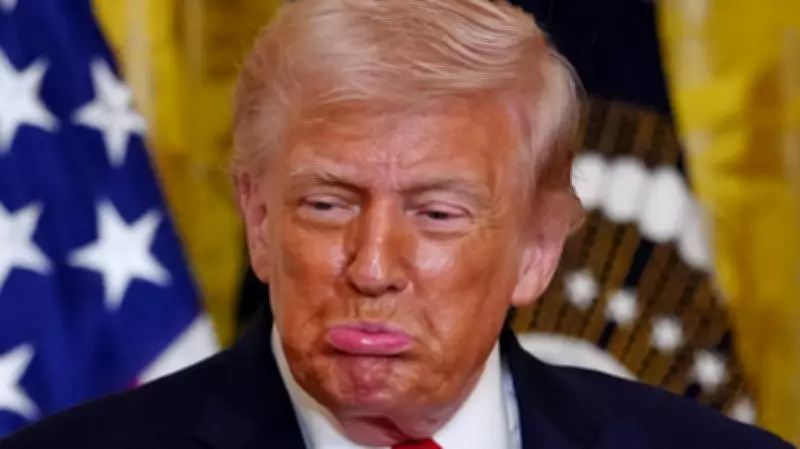
In a recent interview with Fox News, President Donald Trump provided little reassurance to Americans regarding the swift conclusion of the war with Iran, declaring it will end only "when I feel it in my bones." This statement marks another striking admission that the Trump administration lacks a concrete timeline for resolving the conflict, which began just two weeks ago following actions by the U.S. and Israel.
Economic Optimism Amidst Uncertainty
Speaking to host Brian Kilmeade on Friday, Trump expressed confidence in the U.S. economy's resilience, asserting it "will bounce right back" once the war concludes. He emphasized, "We had the greatest economy in history, and we still do. Oh, this will bounce right back. When it's over — and I don't think it's going to be long — when it's over, this is going to bounce right back, so fast." However, when pressed by Kilmeade about how he will determine the war's end, Trump reiterated his vague criterion, stating, "When I feel it. When I feel it in my bones."
Contradictory Claims and Military Developments
Trump has repeatedly predicted a quick end to the war without providing substantial details on achieving this goal. Earlier in March, he claimed the conflict could wrap up in "four weeks," telling The Daily Mail, "It's always been a four-week process. We figured it will be four weeks or so. It's always been about a four-week process so — as strong as it is, it's a big country, it'll take four weeks — or less." By Monday, he boasted that the war was "very complete, pretty much," yet Defense Secretary Pete Hegseth declined to echo this sentiment the following day, noting, "So it's not for me to posit whether it's the beginning, the middle or the end. That's his, and he'll continue to communicate that."

On Wednesday, Trump escalated his rhetoric by claiming Iran was "about to surrender" in discussions with G7 leaders, but he added a caveat: "Nobody knows who is the leader, so there is no one that can announce surrender." Since the war's inception, 13 U.S. service members have died, with Trump attending a dignified transfer for six of them while wearing a USA-branded baseball cap. Additionally, evidence suggests the U.S. may be responsible for bombing a school in Iran, resulting in over 170 casualties, despite Trump's attempts to deflect blame.
Economic and Strategic Challenges
Compounding the situation, Iran's ability to block the Strait of Hormuz—a critical route for global oil transport—has heightened economic pressures. In response to Iran striking two oil tankers in Iraq on Thursday, Trump announced plans for an emergency release of strategic oil reserves to mitigate rising oil prices. Hegseth further pledged on Friday to execute the highest volume of strikes yet against Iran, indicating an intensification of military efforts.
Public Remarks Reveal Prolonged Intent
Despite his public assurances of a swift resolution, Trump hinted at a longer engagement during a rally in Kentucky on Thursday, asking supporters, "We don't want to leave early, do we? We've got to finish the job." This comment underscores the ongoing ambiguity surrounding the war's duration and the administration's strategic objectives, leaving many questions unanswered about the path forward in this escalating conflict.