The Trump administration's effort to unwind decades of sanctions as part of a deal to end the war with Iran has created a head-spinning situation for governments, banks and other companies as they contemplate a shifting patchwork of new permissions and old restrictions.
Background of Sanctions
Following the revolution in 1979, Iran became one of the most sanctioned nations on Earth over its nuclear program and support for regional militias. But the White House is now orchestrating a stunning reversal as part of a broader deal to open the Strait of Hormuz, lower global energy prices and end its unpopular war.
Deal Details and Challenges
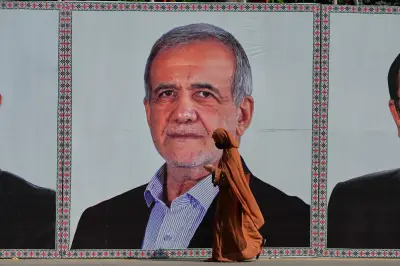
The 14-point memorandum of understanding signed by Trump and Iranian President Masoud Pezeshkian on June 17 includes the removal of all U.S. sanctions on Iran on “an agreed upon schedule.” It also directs the Treasury Department to issue waivers for existing sanctions for 60 days as technical negotiations unfold.

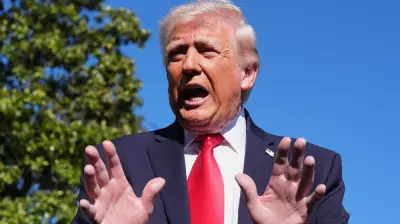
It’s hardly been a linear process. On Friday, U.S. President Donald Trump accused Iran of violating a fragile ceasefire and U.S. Central Command launched fresh strikes on Iranian targets. There are also continuing disagreements that could unravel the deal.
Impact on Financial Institutions
The disorienting change will be tricky to implement in a way that appeals to risk-averse U.S. financial institutions and other firms, according to former Treasury officials, sanctions attorneys and industry sources monitoring the process.
“You want to be 100 per cent sure that you’re within compliance,” said Adam Smith, a former senior adviser to the director of the Treasury’s Office of Foreign Assets Control, which oversees U.S. sanctions. “One-off transactions that close within the 60 days could work, but there may be challenges finding banks and other intermediaries willing to process transactions.”
Proposed Mechanisms for Funds
Amid the uncertainty, some Iran hawks are pushing the administration to shift from cash payments for Iranian oil sales to one requiring funds be placed in an escrow account where U.S. officials can ensure it doesn’t go to proxy groups such as Hezbollah or Hamas, according to people familiar with the matter.
Trump has suggested publicly that Iran’s money may go into escrow accounts controlled by the U.S., or that Tehran can only spend it on U.S. farm goods — ideas that were not in the MOU and which Iran has mocked and rejected.
Treasury's Stance
Treasury Secretary Scott Bessent said on Wednesday that Iran will invoice its oil sales in U.S. dollars. The comments marked a departure from Washington’s longstanding goal of locking Tehran out of the U.S. financial system.