U.S. Accidental Strike in Iran Ignites Global Outrage and Historical Comparisons
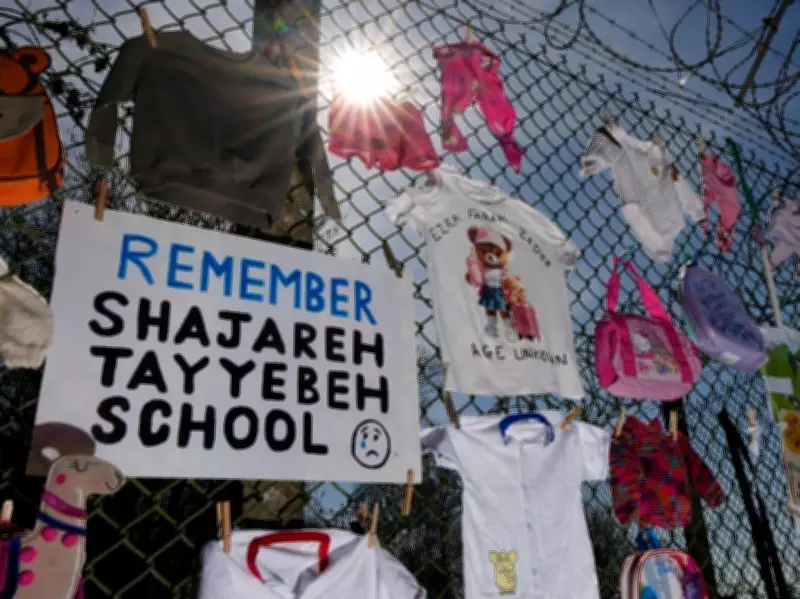
A recent Tomahawk missile strike by the United States in Iran, which reportedly resulted in the deaths of 170 school children, has triggered a wave of condemnation from anti-war activists and critics worldwide. The incident, currently under investigation by the Pentagon, has been labeled as an unintentional tragedy, yet it has fueled intense debate over the broader implications of the ongoing conflict between the two nations.
Historical Context: Iran's Use of Child Soldiers in the 1980s War
Beyond the immediate fallout from the strike, attention has turned to Iran's deliberate actions during the Iran-Iraq War from 1980 to 1988. Under the leadership of Ayatollah Ruhollah Khomeini, Iran mobilized thousands of child soldiers, often boys as young as nine or twelve from impoverished families, to serve as human minesweepers. These children were promised martyrdom and given symbolic "keys to paradise" to wear around their necks, with commanders sending them in waves onto minefields, sometimes tied together with ropes to prevent retreat.
Estimates suggest that as many as 500,000 children were utilized in this manner, with tens of thousands perishing by detonating explosives with their bodies to clear paths for tanks and adult troops. Survivors have recounted horrific experiences of being bound together and facing withering fire, their small bodies exploding on mines, while Iranian leaders glorified these acts as a holy duty. This historical depravity underscores a pattern of Iran treating its own children as disposable tools, exploiting their poverty and indoctrinating them with visions of an afterlife paradise.

Proxy Wars and Nuclear Threats: The Stakes of the Current Conflict
The article argues that Iran's actions extend beyond its borders, with proxy wars that have killed thousands and a regime that chants "Death to America" while funding groups like Hezbollah and Hamas. The potential for Iran to acquire nuclear weapons raises alarm, as such capabilities could threaten Israel, Saudi Arabia, Europe, and the United States, leading to catastrophic outcomes. Since the start of the current war, Iran has launched strikes against over a dozen countries, including neutral Gulf states, highlighting its aggressive regional posture.
Preventing a nuclear-armed Iran is presented as a critical rationale for the ongoing conflict, despite its complexities. The piece contrasts this with past appeasement efforts, such as former President Barack Obama's nuclear deal, which it claims only emboldened the Iranian regime. It also notes that during the Obama administration, drone strikes in places like Pakistan, Yemen, and Somalia resulted in hundreds of civilian deaths, including children, due to intelligence errors in remote areas, though these were not deliberate targeting of innocents.
Civilian Casualties and Moral Outrage: A Call for Focus on Iran's Regime
While mourning the loss of the 170 children in the recent strike, the article urges that fury should be directed toward Tehran, emphasizing that the Iranian regime has been engaged in conflict with America for 47 years. This includes attacks on U.S. bases, involvement in killing American soldiers with improvised explosive devices (IEDs), nuclear saber-rattling, and lethal aggression through terror proxies. The piece characterizes America as fighting with rules and restraint, expressing regret for mistakes that cause civilian deaths, whereas Iran is depicted as fighting with fanaticism, using its own children as shields and mine detectors.
In conclusion, standing against Iran's actions is framed as essential to protecting innocents globally, including Iran's own oppressed population and Americans across political divides. The article calls for a nuanced understanding of the conflict, balancing the accidental tragedies of U.S. operations with the intentional atrocities committed by the Iranian regime throughout history.