U.S. Congress Prepares for First Votes on Iran Conflict Amid Heated Debate Over Military Objectives
The United States Congress is moving toward its initial legislative votes concerning the ongoing military engagement with Iran, as lawmakers engage in a fierce and protracted debate regarding the precise goals and strategic direction of the conflict. This critical parliamentary action unfolds against a backdrop of escalating regional tensions and international concern.
Escalation and International Response
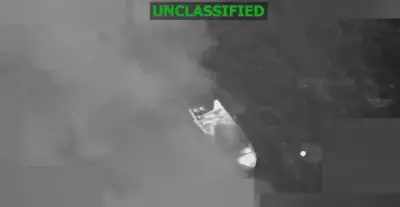
Reports from Istanbul confirm that NATO forces successfully intercepted and destroyed an Iranian missile that was en route toward Turkish territory. This incident underscores the expanding geographical scope of the conflict and raises urgent questions about the potential for broader regional involvement. The defensive action by the alliance highlights the volatile security environment and the direct threats to NATO member states.
Strategic and Political Debate Intensifies
Within the halls of the U.S. Capitol, the debate is characterized by deep divisions over the conflict's intended outcomes. Key points of contention include:

- Defining Clear Military and Political Endstates: Lawmakers are grappling with how to articulate achievable and sustainable objectives for U.S. involvement.
- Assessing Risks of Mission Creep: There is significant concern about the potential for the conflict to expand beyond its initial parameters, drawing in more resources and allies.
- Evaluating Diplomatic Alternatives: Some members of Congress are advocating for a renewed focus on diplomatic channels alongside military pressure.
The discussion is further complicated by the broader geopolitical implications, including the impact on global energy markets and the strategic calculations of other world powers. The congressional votes are seen as a pivotal moment that could shape the trajectory of U.S. foreign policy and military commitment in the Middle East for the foreseeable future.
Broader Implications and Allied Concerns
The unfolding situation places close U.S. allies, including Canada, in a delicate position. Questions are being raised internationally about the extent of allied support and the mechanisms for collective security in response to Iranian actions. The interception of the missile by NATO forces serves as a stark reminder of the alliance's role and the immediate threats posed by the conflict.
As Congress prepares to cast these historic first votes, the world watches closely. The outcomes will not only signal the legislative branch's stance on the current administration's strategy but may also set important precedents for congressional war powers and oversight in an era of complex, asymmetric threats.