U.S. Initiates Legal Proceedings for Control of Seized Venezuelan Oil Tanker
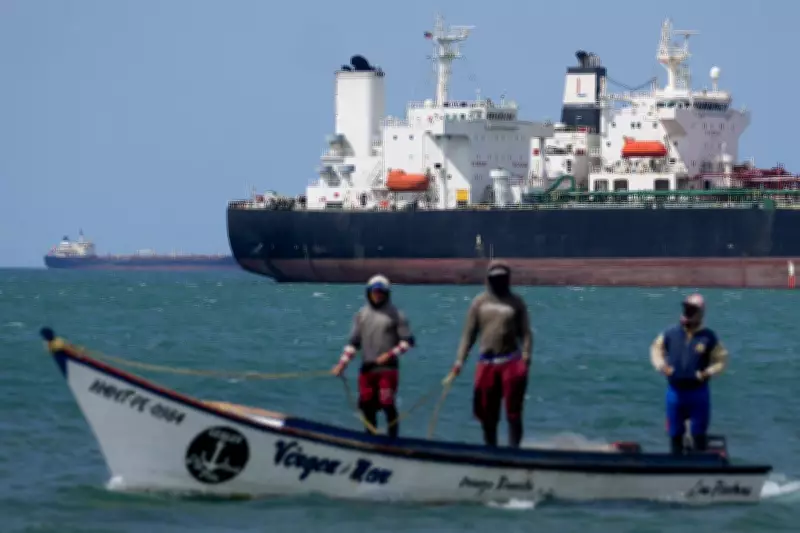
The United States government has formally moved to establish legal control over a large oil tanker and its cargo of approximately 2 million barrels of crude oil, which were seized off the coast of Venezuela in December 2026. This significant development marks a new phase in the ongoing geopolitical and economic tensions surrounding Venezuela's oil resources.
Details of the Seizure and Legal Maneuver
According to reports, the tanker was intercepted in the Gulf of Venezuela near Punta Cardon in late December 2026. The vessel, whose name has not been publicly disclosed, was carrying a substantial load of crude oil when it was taken into custody. The U.S. action involves filing legal documents to assert jurisdiction over both the ship and its valuable petroleum contents, citing international law and sanctions enforcement.
This move is part of broader efforts by the United States to apply pressure on the Venezuelan government, which has faced extensive sanctions over political and human rights issues. The seizure and subsequent legal bid highlight the complex interplay between energy markets, maritime law, and foreign policy in the region.

Geopolitical Context and Implications
The Gulf of Venezuela has long been a strategic area for oil transportation, with Venezuela possessing some of the world's largest proven oil reserves. However, the country's oil industry has been severely hampered by economic sanctions, mismanagement, and infrastructure decay. The U.S. legal action could further strain relations between the two nations and impact global oil supply dynamics.
Analysts suggest that controlling the seized oil could provide the U.S. with leverage in negotiations or serve as a deterrent against illicit oil shipments. It also raises questions about the enforcement of sanctions on the high seas and the legal precedents for such confiscations.
Reactions and Next Steps
While the Venezuelan government has not yet issued an official statement on this specific legal move, it has previously condemned U.S. actions as unlawful interference. The case is expected to proceed through U.S. courts, potentially involving:
- Hearings to determine the legitimacy of the seizure under international maritime law.
- Assessments of the oil's value and its intended destination prior to interception.
- Discussions on the distribution or use of the proceeds if the U.S. gains control.
This incident underscores the ongoing challenges in regulating global oil trade amid geopolitical conflicts. The outcome could set a significant precedent for how nations handle seized assets in international waters, particularly involving sanctioned countries like Venezuela.