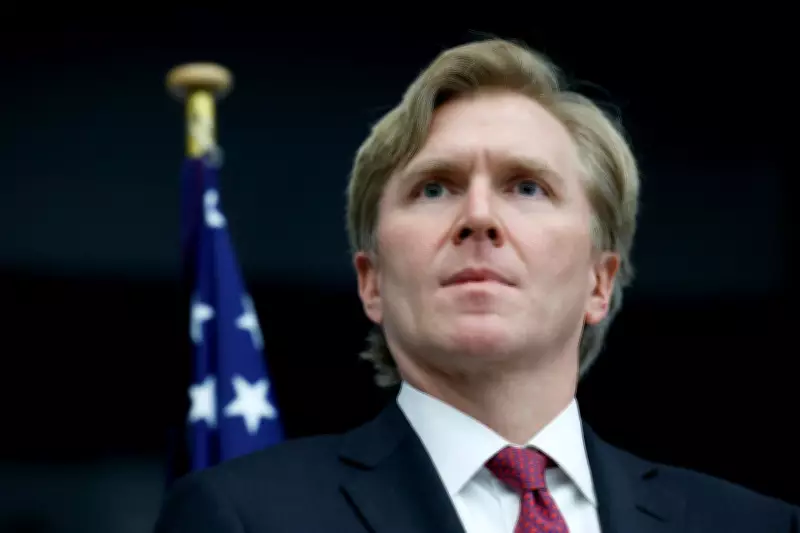
The United States has announced a pause in a long-standing military board with Canada, a move that could have significant implications for defense collaboration between the two nations. The decision, which was confirmed by officials, has sparked discussions among experts about the future of bilateral military ties and the impact on NATO allies.
Background and Implications
The military board, which has been in place for decades, facilitated joint planning and coordination between the U.S. and Canadian armed forces. Joe Varner, a senior fellow at the Macdonald-Laurier Institute, noted that such defense mechanisms are crucial for supporting small and medium-sized enterprises within NATO countries. The pause could affect defense contracts and technological exchanges that benefit these businesses.
Reactions and Analysis
While the exact reasons for the pause have not been fully disclosed, analysts suggest it may be part of broader policy reviews. The move comes amid other defense-related developments, including a pipeline agreement between Alberta and the federal government, which has received mixed reactions. The pause also follows recent discussions on defense spending and commitments within NATO.

Varner emphasized that the defense bank, which supports innovation and production, is vital for maintaining a robust defense industrial base. The pause could delay projects and reduce opportunities for smaller firms that rely on cross-border collaboration.
Broader Context
This development occurs against a backdrop of various security and economic issues, including ongoing debates about Arctic security and environmental policies. The U.S. and Canada have historically cooperated closely on defense, and this pause may prompt renewed negotiations to address mutual concerns.
As the situation evolves, stakeholders are monitoring how this will affect joint military exercises, intelligence sharing, and procurement programs. The pause is seen as a temporary measure, but its duration and outcome remain uncertain.