The United States has decided to pause its long-standing military board with Canada, citing a lack of credible progress in bilateral defense cooperation. The announcement was made on May 18, 2026, and has raised questions about the future of military relations between the two nations.
Background of the Military Board
The military board, established decades ago, served as a key forum for coordinating joint defense strategies, sharing intelligence, and planning collaborative operations. It was seen as a cornerstone of the US-Canada security partnership, which includes NORAD and other mutual defense agreements.
Reasons for the Pause
According to US officials, the decision stems from Canada's failure to meet certain benchmarks and make credible progress on shared defense priorities. While specific details were not disclosed, sources indicate that issues such as defense spending commitments, modernization of equipment, and alignment with US strategic objectives were central to the decision.

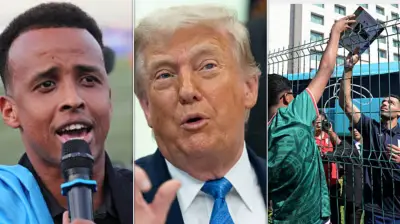
Political commentator Eric Ham noted that the pause sends a strong message from the Trump administration, emphasizing the need for Canada to step up its contributions. "This is a clear signal that the US expects more from its allies," Ham said.
Impact on Bilateral Relations
The pause has sparked concern among Canadian officials and defense analysts. Canada's Department of National Defence expressed disappointment, stating that the board has been instrumental in fostering cooperation. "We remain committed to working with the US to address any concerns and resume this important dialogue," a spokesperson said.
Experts warn that the suspension could affect joint operations, including Arctic security and continental defense. The move also comes amid broader tensions in US-Canada relations, including trade disputes and differing approaches to foreign policy.
Reactions and Next Steps
Canadian Prime Minister Justin Trudeau's office has not yet commented, but opposition leaders have criticized the government for failing to maintain strong ties with the US. Some have called for increased defense spending and a renewed focus on meeting NATO commitments.
The US has indicated that the pause is temporary and could be lifted if Canada demonstrates significant progress. However, no timeline has been provided for when the board might resume its activities.
As both nations navigate this diplomatic challenge, the future of their military partnership remains uncertain. Analysts suggest that the coming months will be critical in determining whether the board can be revived or if new mechanisms for cooperation will need to be established.