U.S. Senate Rejects Move to Halt Arms Sales to Israel Amid Regional Tensions
In a significant legislative decision, the United States Senate has rejected an effort to suspend arms sales to Israel. The vote, which took place on April 15, 2026, underscores the ongoing political support for Israel within the U.S. government, even as conflicts in the Middle East intensify and ripple effects are felt worldwide.
Geopolitical Context and Broader Implications
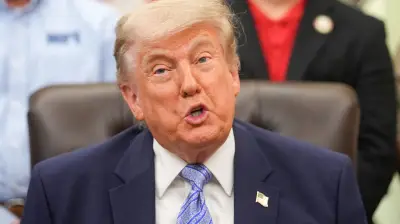
The Senate's action occurs against a backdrop of heightened tensions in the region, including a protracted conflict involving Iran that has influenced global oil and gas prices, as well as critical medical helium supplies. Former President Donald Trump has claimed the Iran war is "close to over," despite a continuing blockade, while experts warn of potential "global recession" risks if the Middle East turmoil persists.
This legislative move also highlights the complex dynamics of U.S. foreign policy, where arms sales are often a tool of diplomatic and strategic influence. The rejection of the halt effort signals a commitment to maintaining military support for Israel, a key ally, amid calls from some quarters for reevaluation due to humanitarian and geopolitical concerns.

Economic and Social Repercussions
The ongoing conflicts have not only strained international relations but also impacted domestic and global economies. From rising fuel costs affecting industries like craft brewing to disruptions in travel operations such as Sunwing Vacations and WestJet Vacations canceling Cuba trips, the economic fallout is widespread. Additionally, health-care systems, including Canada's, are closely monitoring helium shortages linked to the regional instability, which could affect medical procedures.
Socially, the tensions have exposed divisions within diasporas, as seen in the killing of an Iranian activist in British Columbia, reflecting how international conflicts can spill over into communities abroad. Meanwhile, political figures like JD Vance have faced public scrutiny over comments on theological matters, illustrating the intersection of politics and social issues in this volatile climate.
Looking Ahead: Policy and Global Stability
As the Senate's decision reinforces U.S. arms policy, attention turns to how this will shape future diplomatic efforts and regional stability. With Trump's approval ratings reportedly affected by the Iran war and feuds with figures like Pope Leo, the political landscape remains fluid. The possibility of a ceasefire between Israel and Lebanon, as mentioned by Trump, offers a glimmer of hope, but experts caution that forceful solutions, such as opening the Strait of Hormuz, are fraught with challenges.
In summary, the Senate's rejection of halting arms sales to Israel is a pivotal moment in U.S. foreign policy, reflecting enduring alliances and the complexities of navigating Middle East conflicts. As global markets and communities grapple with the repercussions, the need for strategic and humanitarian considerations in policy-making becomes ever more critical.