White House Communications Director Praises Liberal Media Outlet in Unusual Move
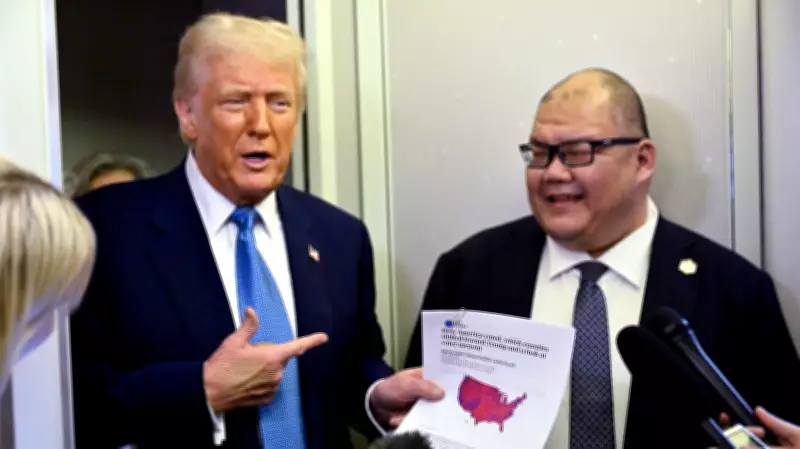
In a surprising development that breaks from typical Trump administration behavior, White House communications director Steven Cheung offered public praise to a liberal media outlet this week. However, the gesture wasn't what it initially appeared to be—Cheung was engaging in what observers describe as classic political trolling.
Cheung's Cheeky Compliments to MS NOW
Steven Cheung took to social media platform X to thank MS NOW (formerly MSNBC) for airing segments featuring the Trump administration's controversial war promotion videos. These videos combine real-world destruction footage from the Iran conflict with violent scenes from popular video games like Call of Duty and Grand Theft Auto: San Andreas, along with clips from films including "Tropic Thunder" and "Braveheart," and even footage of MLB players hitting home runs.
The specific segment that caught Cheung's attention was from "Chris Jansing Reports," which featured a particularly striking clip that interspersed footage of attacks on Iran with Nintendo Wii characters using tennis rackets, golf clubs, and baseball bats to hit bullseyes.

Polling Numbers and Messaging Strategy
During her report, Jansing noted that while the administration's videos "got a lot of blowback from Democrats," a recent Washington Post poll suggested opposition to the strikes "dropped in a week by 12%." She questioned whether the White House's unconventional messaging approach might be taking hold with the American public.
The poll data shows a significant shift: 42% of Americans now approve of the war with Iran, while 40% disapprove. This represents a notable change from the previous week, when 52% of respondents disapproved of the military action. However, conflicting data from an NPR/PBS/Marist poll presents a different picture, showing only 36% approval of how President Trump is handling the war, with 56% of respondents opposing his approach.
Criticism from Media and Entertainment Figures
Despite Cheung's claims of positive impact, the administration's video strategy has faced substantial criticism from multiple quarters. During the MS NOW segment, former George W. Bush advisor Mark McKinnon warned that "using video games as parallels for wars" contains "a desensitizing element" that could make people think "Oh, it's just like a video game" after repeated exposure.
MS NOW star Lawrence O'Donnell delivered particularly harsh criticism, calling the videos the "stupidest propaganda videos in the history of propaganda anywhere in the world." He's not alone in his condemnation—actor and director Ben Stiller, who directed and co-wrote "Tropic Thunder," blasted the White House earlier this month for using clips from his film in their promotional materials.
CNN's Jake Tapper also criticized the videos, noting the inclusion of famous Hollywood villains like "Breaking Bad's" Walter White and Kylo Ren from the "Star Wars" sequel trilogy. Tapper questioned whether the White House even cares about distinguishing between good guys and bad guys in their messaging approach.
White House Claims and Media Response
Following his social media post, Cheung claimed to HuffPost that "by playing our videos over and over again, they are helping spread our message to their liberal audience." He maintained that the repeated airing on MS NOW was having a measurable positive effect on polling numbers and public perception of the administration's Iran policy.
When reached for comment about Cheung's claims, MS NOW did not immediately respond to requests for clarification or confirmation about the impact of their coverage. The White House also declined to provide additional evidence supporting Cheung's assertion that the network's airing of the war promotion videos has directly influenced approval ratings for the conflict.
The unusual exchange highlights the increasingly complex relationship between the Trump administration and media outlets, particularly those with traditionally liberal audiences. While Cheung's praise appears to be more strategic than sincere, it underscores the administration's ongoing efforts to shape public perception of foreign policy decisions through unconventional media strategies.