White House's Pokémon Meme Effort Draws Swift Criticism and Company Disavowal
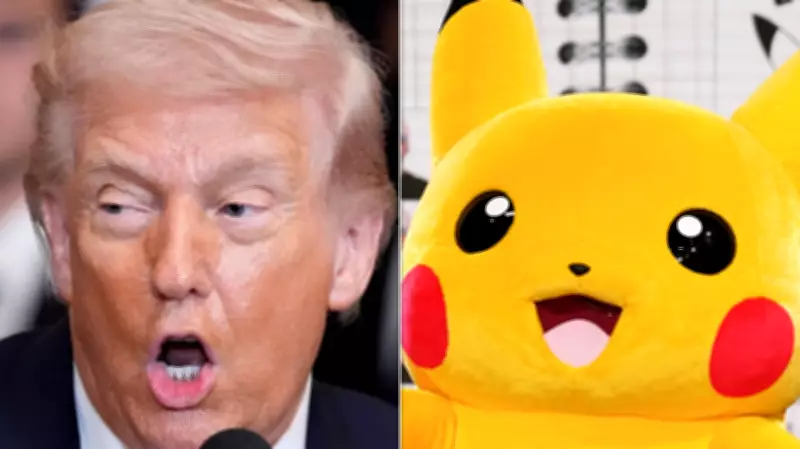
In a recent social media misstep, the White House social media team under President Donald Trump attempted to leverage a popular new Pokémon meme for political promotion, but the move quickly backfired. On March 5, 2026, the official White House account on X posted an image using a meme generator to insert Trump's MAGA slogan into a scene from the newly released "Pokémon Pokopia" game. The post, which included the caption "MAGA ??⚡️" and a link to the image, was intended to engage with online audiences through viral culture.
Fans and Pokémon Company Express Displeasure
The response from Pokémon fans was overwhelmingly negative, with many criticizing the use of the franchise for political purposes. Adding to the controversy, The Pokémon Company issued a formal statement distancing itself from the meme. Company spokesperson Sravanthi Dev told The New York Times, "We are aware of recent social content that includes imagery associated with our brand. We were not involved in its creation or distribution, and no permission was granted for the use of our intellectual property. Our mission is to bring the world together, and that mission is not affiliated with any political viewpoint or agenda."
This is not the first time the company has had to address unauthorized use of its assets. Last year, a similar statement was released when Homeland Security utilized Pokémon music and images to promote ICE, emphasizing that the company was "not involved" and did not grant permission. Despite these disavowals, such content often remains accessible online, as seen with the Homeland Security video.
Political Counter-Memes and Broader Backlash
Soon after the White House's post, a wave of counter-memes emerged from critics and political opponents. The Democratic National Committee was among the first to respond, posting a message that referenced the administration's efforts to block the release of files related to the late sex offender Jeffrey Epstein, who had been close friends with Trump. This set off a chain reaction, with numerous other users on X joining in to mock the original meme and highlight various political controversies.
Examples of these responses included calls to stop defending pedophiles, comparisons of the meme's background to Epstein Island, and general critiques of the administration's actions. The backlash underscored how quickly social media can turn a promotional attempt into a platform for political dissent, with the meme becoming a focal point for broader discussions about ethics and accountability.
Implications for Social Media Strategy
This incident highlights the risks associated with using pop culture references in political messaging, especially without proper authorization. It serves as a cautionary tale for social media teams aiming to capitalize on viral trends, as such moves can lead to unintended consequences, including legal issues and public relations challenges. The swift disavowal by The Pokémon Company further emphasizes the importance of respecting intellectual property rights in digital campaigns.
As social media continues to evolve, this event may influence how political entities approach meme culture, potentially leading to more cautious strategies in the future. The blend of entertainment and politics remains a volatile mix, as demonstrated by the immediate and widespread backlash to the White House's Pokémon meme.