Allied Nations Voice Strong Opposition to U.S. Sanctions Relief for Russian Oil
In a significant diplomatic development, the leaders of Canada, Germany, and Norway have publicly criticized the United States' decision to temporarily ease sanctions on Russian oil. The move, authorized by the Trump administration, has sparked widespread concern among Ukraine's allies that it could inadvertently provide financial support to President Vladimir Putin's ongoing war effort.
Expanding Temporary Waivers for Russian Oil Cargoes
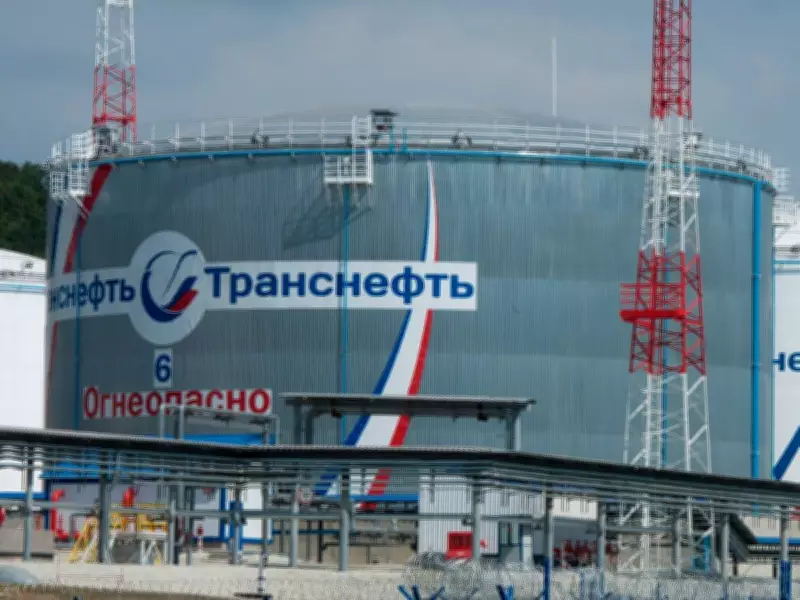
The controversy stems from the U.S. Treasury Department's second authorization allowing buyers to acquire Russian oil cargoes already at sea. This expansion follows a similar temporary waiver granted to India just last week. Treasury Secretary Scott Bessent described the measure as a "narrowly tailored, short-term" action designed to address energy price pressures, emphasizing that it applies only to oil already in transit and would not provide substantial financial benefit to the Russian government.
However, allied leaders remain unconvinced. They fear that any relaxation of sanctions could enable the Kremlin to capitalize on current energy market volatility and use additional revenues to fund its four-year military campaign against Ukraine.

European Leaders Issue Strong Statements
German Chancellor Friedrich Merz delivered particularly forceful remarks during a joint news conference with Norwegian Prime Minister Jonas Gahr Støre. "Let me be very clear: We believe it would be wrong to ease sanctions now, for whatever reason," Merz declared. "We will and we must continue to increase the pressure on Moscow. We will not allow ourselves to be deterred or distracted from this by the war in Iran."
Merz revealed that Group of Seven leaders had discussed the Russian oil sales issue with President Trump during a recent video conference, with six nations expressing "a very clear view that this sends the wrong signal." The German chancellor expressed disappointment upon learning of the U.S. decision, stating plainly, "Once again: We believe this is wrong."
Canadian Prime Minister Joins Criticism
Canadian Prime Minister Mark Carney added his voice to the criticism during a separate news conference held alongside Merz and Støre on the sidelines of a NATO military exercise in northern Norway. "Canada's position is to maintain sanctions on Russia," Carney told reporters, "including on the shadow fleet, which is moving this oil."
Both Carney and Merz indicated that G7 leaders would continue efforts to persuade the Trump administration that now is actually the time to strengthen, rather than relax, sanctions against Russia.
Broader Context of Energy Market Pressures
The U.S. decision comes amid broader efforts to stabilize global energy markets following recent strikes on Iran that began nearly two weeks ago. The Biden administration has implemented multiple measures to address oil price volatility, including plans to release 172 million barrels from the U.S. Strategic Petroleum Reserve.
Norwegian Prime Minister Støre expressed skepticism about the sanctions relief, noting that "the most important signal that we can send to Russia is that this war has to end." Meanwhile, Merz raised questions about the broader U.S. strategy regarding the Iran conflict, pointing to unresolved issues about how and when that war might conclude.
The German chancellor emphasized Germany's position clearly: "Germany is not part of this war. And we do not want to become part of it. In this respect, all our efforts are focused on ending this war."
This diplomatic disagreement highlights the complex balancing act Western nations face as they attempt to maintain pressure on Russia while addressing domestic energy price concerns. The criticism from three key U.S. allies suggests significant divisions within the Western alliance regarding the appropriate approach to sanctions policy amid ongoing geopolitical conflicts.