As Venezuela moves deeper into 2026, questions persist in international circles about the true nature of power and leadership within the South American nation. The political structure, long dominated by the United Socialist Party of Venezuela (PSUV), continues to present a complex picture to outside observers.
The Public Face of Power
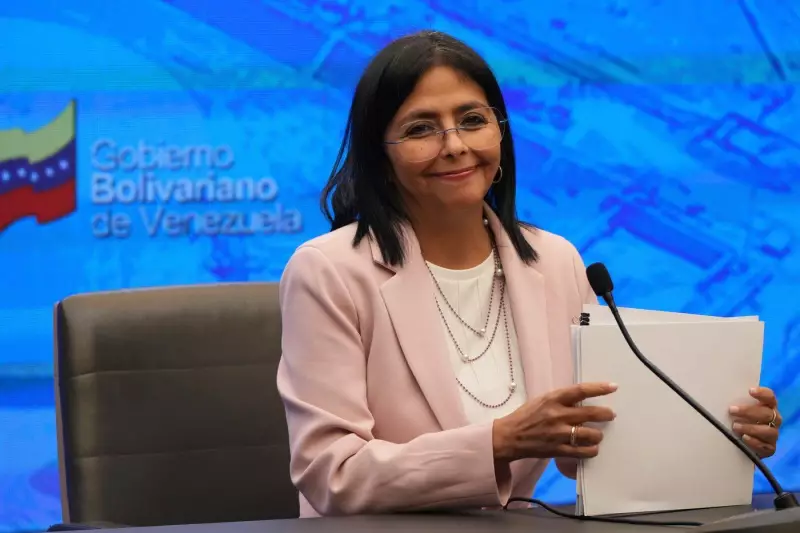
A key figure in the government's public communications remains Vice President Delcy Rodríguez. She was photographed at the Miraflores presidential palace in Caracas during a press conference on November 18, 2024, an image filed by Associated Press photographer Ariana Cubillos. Rodríguez, a longtime loyalist and former foreign minister, frequently represents the administration at high-level events and in dealings with international partners, positioning her as one of the most visible members of the ruling elite.
Behind the Official Titles
While the presidency holds the constitutional authority, analysts who follow Venezuelan politics suggest that influence is distributed among several powerful factions. These include senior military officials, political party leaders, and influential economic actors aligned with the government. The actual decision-making process is often described as opaque, with critical choices emerging from closed-door deliberations among a tight-knit group.

The year 2026 arrives with Venezuela still navigating significant challenges, including international sanctions, a protracted economic crisis, and a fragmented political opposition. The control of state institutions, the military's loyalty, and the management of the country's vast natural resources remain central to understanding where power truly resides.
A Nation Under Scrutiny
The question of "who is running Venezuela" is not merely academic. It has direct implications for diplomatic relations, humanitarian aid efforts, and potential future negotiations regarding the country's political and economic direction. Foreign governments and international bodies continue to assess the leadership landscape as they formulate their policies towards Caracas.
As the situation evolves, the visible presence of figures like Vice President Rodríguez at the Miraflores Palace serves as a reminder of the government's enduring structure, even as the less visible mechanisms of power operate behind the scenes. The coming months of 2026 are likely to provide further clues to the internal dynamics governing one of Latin America's most watched nations.