Ice Climbing World Cup Concludes in Edmonton with Athlete Reflections
Elite ice climbers from across the globe have converged on Edmonton for the climactic final round of the Ice Climbing World Cup, taking place this weekend at Louise McKinney Park. As competitors prepare for the intense vertical challenges, many are pausing to reflect on the remarkable evolution of their sky-high sport over recent decades.
The Changing Face of Ice Climbing
Technological advancements and shifting techniques have dramatically transformed ice climbing from a niche wilderness pursuit to a globally recognized competitive discipline. Athletes note that modern equipment—including lighter axes, more secure crampons, and specialized protective gear—has enabled climbers to attempt increasingly difficult routes with greater safety margins.
"We've seen the sport progress from basic survival skills to highly technical athletic performances," remarked one veteran competitor. "The focus has shifted from merely reaching the top to executing with precision, speed, and artistic flair."

Edmonton's Role in the Sport's Growth
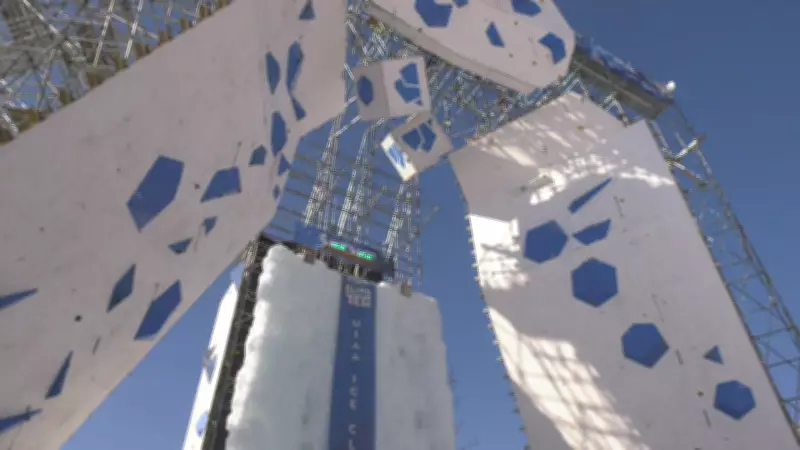
The Edmonton event represents a significant milestone in ice climbing's competitive calendar, attracting both established champions and emerging talents. The artificial ice structures at Louise McKinney Park provide consistent, challenging conditions that test climbers' adaptability and skill under pressure.
Organizers emphasize that hosting World Cup events in urban settings like Edmonton helps demystify the sport for spectators while providing athletes with reliable, accessible competition venues. This accessibility contrasts with traditional remote ice climbs, broadening participation and audience engagement.
Training and Technique Evolution
Modern ice climbers benefit from sophisticated training regimens that incorporate:
- Year-round indoor climbing facilities with adjustable ice walls
- Cross-training in related disciplines like rock climbing and gymnastics
- Nutritional and psychological support tailored to extreme sports
- Video analysis for technique refinement
These developments have elevated competitive standards, with today's athletes executing moves once considered impossible on vertical ice formations.
Looking Toward the Future
As the Edmonton competition unfolds, participants express optimism about ice climbing's continued growth. Many anticipate further innovations in equipment design, competition formats, and safety protocols that will push the sport's boundaries while maintaining its adventurous spirit.
The World Cup finale in Edmonton not only crowns annual champions but also serves as a gathering point for the global ice climbing community to celebrate their sport's journey and envision its next chapters on frozen vertical terrain.