Australian Government Declines Aid for Nationals in Syrian Camps
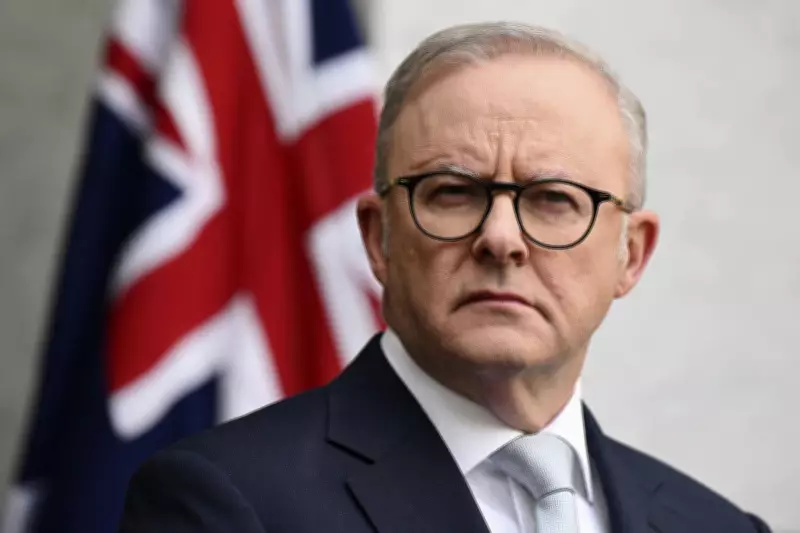
In a significant policy decision, Australian Prime Minister Anthony Albanese has firmly rejected calls to extend assistance to Australian citizens currently held in refugee camps in Syria. This stance, announced in Canberra, underscores the government's cautious approach to complex international security issues.
Security and Diplomatic Considerations
The refusal is rooted in heightened security assessments and diplomatic protocols. Australian authorities have expressed concerns about the potential risks associated with repatriating individuals from conflict zones, where affiliations with extremist groups may be present. This move aligns with broader global efforts to manage threats from regions like Syria, which has been embroiled in prolonged civil unrest.
Advocacy groups and human rights organizations have criticized the decision, arguing that it leaves vulnerable Australians, including women and children, in precarious conditions without state support. They emphasize the humanitarian imperative to protect citizens abroad, regardless of the circumstances.

Political and Public Reaction
The announcement has sparked intense debate within Australian political circles. Opposition leaders have questioned the government's commitment to citizen welfare, while supporters of the Prime Minister highlight the necessity of prioritizing national security. Public opinion appears divided, with some citizens backing the tough stance and others urging compassion for those stranded overseas.
This development comes amid ongoing international discussions on how nations should handle citizens in Syrian camps, with countries like the United States and European states grappling with similar dilemmas. Australia's position may influence future policies in the region and set a precedent for other governments facing analogous challenges.
Implications for Foreign Policy
By rejecting aid, the Australian government signals a firm adherence to its foreign policy objectives, which often balance humanitarian concerns with security imperatives. Experts suggest that this decision could impact Australia's diplomatic relations with allies involved in Syrian affairs, potentially leading to coordinated or divergent strategies in managing refugee crises.
As the situation evolves, stakeholders will closely monitor any shifts in policy or international collaborations. The Prime Minister's office has indicated that the decision is final for now, but it remains subject to review based on changing security landscapes and humanitarian needs.