High-level international discussions are underway in Brussels this week, focusing on the critical issues of Gaza reconstruction, security arrangements, and future governance structures amid the ongoing Israel-Hamas conflict. The talks bring together key international stakeholders seeking to address the humanitarian crisis and plan for post-war scenarios in the region.
Multilateral Approach to Crisis Resolution
The Brussels meetings represent a coordinated international effort to tackle the complex challenges facing Gaza following months of devastating conflict. Participants are working to establish a comprehensive framework that addresses immediate humanitarian needs while laying the groundwork for sustainable long-term recovery.
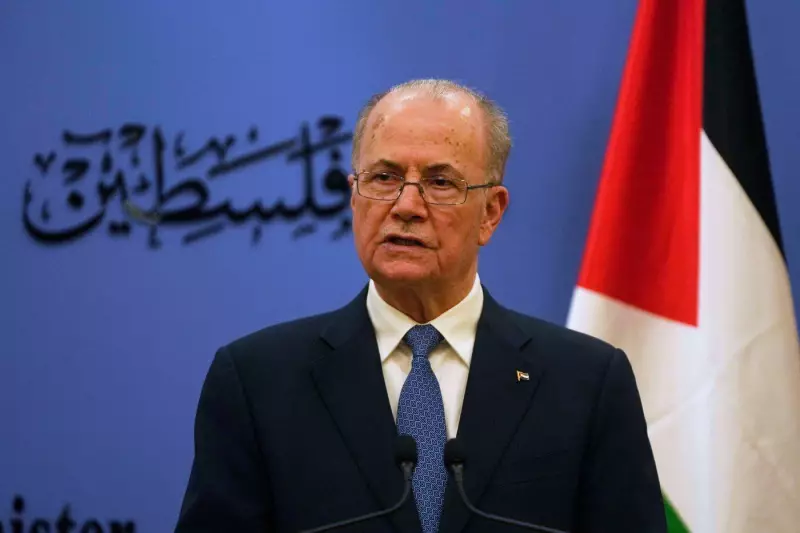
European Union foreign policy chief Kaja Kallas has been actively involved in the discussions, building on her previous engagement with Palestinian leadership. Kallas met with Palestinian Prime Minister Mohammad Mustafa in Ramallah earlier this year, signaling the EU's continued commitment to finding diplomatic solutions to the ongoing crisis.

Three Pillars of Discussion
According to sources familiar with the negotiations, the talks are structured around three main pillars: reconstruction efforts, security mechanisms, and governance models. The reconstruction component focuses on rebuilding critical infrastructure, including hospitals, schools, and residential buildings destroyed during the conflict.
The security discussions are particularly sensitive, with participants working to establish mechanisms that would prevent future attacks while ensuring civilian protection. Governance talks center on establishing legitimate Palestinian authority in Gaza while addressing concerns about extremist elements.
The timing of these discussions is critical, as humanitarian conditions in Gaza continue to deteriorate. International aid organizations have reported severe shortages of medical supplies, food, and clean water, creating what many describe as a catastrophic humanitarian situation.
International Stakeholders and Challenges
The Brussels talks include representatives from multiple international organizations and key national governments. However, significant challenges remain, including disagreements over the role of various Palestinian factions and concerns about ensuring that reconstruction efforts don't inadvertently benefit militant groups.
Participants are also grappling with the question of who will oversee and fund the massive reconstruction effort required. Preliminary estimates suggest that rebuilding Gaza's infrastructure could cost billions of dollars and take years to complete, even under optimal conditions.
The outcome of these discussions could have far-reaching implications for regional stability and the prospects for lasting peace. While immediate cease-fire negotiations continue separately, the Brussels talks represent an important parallel effort to plan for what comes after the fighting stops.
As the talks continue through the week, observers are watching for any signs of breakthrough that might pave the way for more substantial diplomatic progress. The international community remains deeply divided on many aspects of the conflict, making consensus-building particularly challenging.