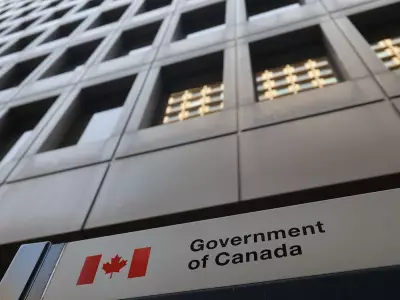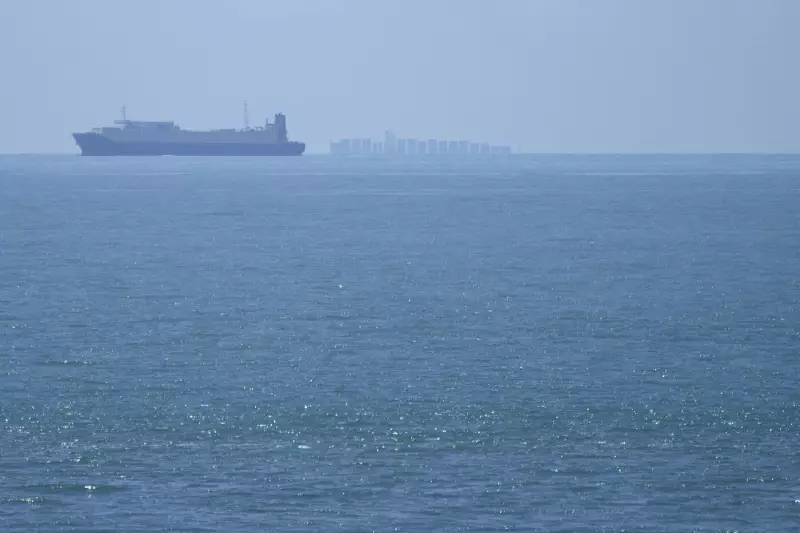
The Canadian government has issued a firm diplomatic response to recent military exercises conducted by China in the sensitive waters of the Taiwan Strait. This move by Ottawa underscores its ongoing concerns regarding actions that could escalate tensions and destabilize the Indo-Pacific region.
Official Canadian Position and Regional Stability
BusinessCanada delivered the formal diplomatic pushback on January 2, 2026. The statement from Ottawa emphasized the critical importance of peace and stability across the Taiwan Strait, a vital global shipping lane. The Canadian position aligns with its consistent advocacy for the peaceful resolution of cross-strait issues and opposes any unilateral actions that could heighten military risks.
The government's statement did not detail specific new military maneuvers but referenced the longstanding pattern of such drills. It highlighted that stability in this corridor is essential not only for regional security but also for the uninterrupted flow of international trade, in which Canada has significant interests.

Context and International Reaction
The Taiwan Strait has been a persistent flashpoint in Sino-American relations, with Canada often navigating a delicate diplomatic path. Ottawa maintains a One-China policy while simultaneously fostering robust trade and people-to-people ties with Taiwan. This latest diplomatic demarche reflects Canada's effort to balance these complex relationships while upholding international norms.
Analysts suggest the Canadian response is part of a coordinated approach with like-minded partners who share concerns about assertive military posturing. The statement from BusinessCanada avoids inflammatory language but makes clear Canada's stance against coercive activities that threaten the status quo.
Implications for Canada's Indo-Pacific Strategy
This diplomatic action is a practical application of Canada's evolving Indo-Pacific Strategy, which commits to engaging in the region to support security, prosperity, and the rules-based international order. By publicly addressing the military drills, Canada signals its intent to be an active participant in regional security discussions, beyond mere economic engagement.
The move is likely to be noted in both Beijing and Taipei, as well as in other world capitals. It reinforces Canada's role as a G7 nation invested in global stability, even in theatres geographically distant from its shores. The focus remains on encouraging dialogue and de-escalation to prevent miscalculation.
Observers will watch for China's response to Canada's statement and whether this affects broader bilateral discussions on trade and other issues. For now, Canada has placed a clear marker on the table regarding its expectations for peaceful conduct in one of the world's most strategically important waterways.