Canada's Evacuation Support for Citizens in the Middle East: A Detailed Look at Costs and Government Strategy
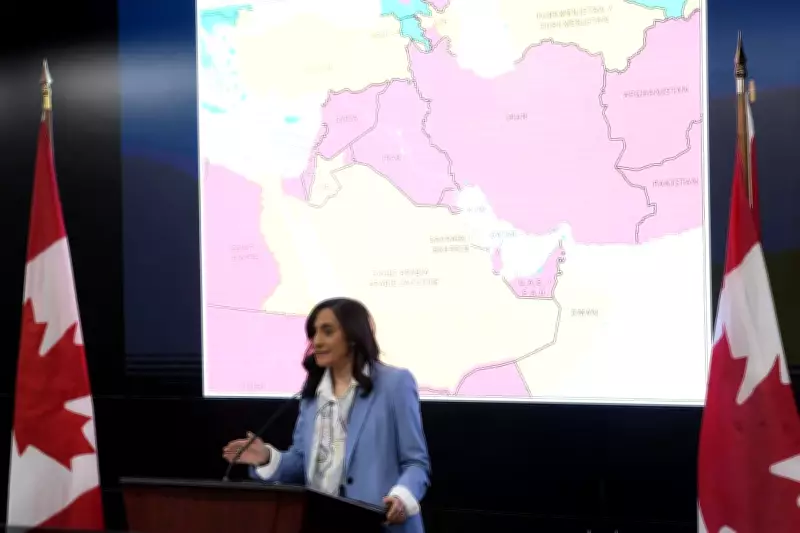
In response to escalating regional tensions and heightened travel advisories, the Canadian government has initiated a comprehensive evacuation plan to assist citizens fleeing the Middle East. Foreign Affairs Minister Anita Anand recently addressed this critical issue at a news conference held at the Emergency Watch and Response Centre at Global Affairs Canada in Ottawa, emphasizing the government's commitment to citizen safety abroad.
Government Response and Minister Anand's Announcement
Minister Anand outlined the operational framework for evacuation assistance, which includes logistical support, consular services, and coordination with international partners. The announcement came alongside the release of updated travel advisory maps highlighting risk levels across Middle Eastern countries, underscoring the urgency of the situation. Anand stated that the government is prioritizing the safe return of Canadians amidst volatile conditions, though specific cost figures for these operations were not fully disclosed, pending parliamentary review.
Cost Implications and Operational Details
The evacuation efforts involve significant expenditures, including:

- Transportation logistics: Charter flights and secure ground transport from high-risk areas.
- Consular support: On-the-ground assistance and emergency documentation for affected citizens.
- International coordination: Collaboration with allied nations and local authorities to facilitate safe passage.
While exact costs are still being calculated, preliminary estimates suggest millions in federal funding, with resources drawn from Global Affairs Canada's emergency response budget. Anand noted that these expenses are necessary to uphold Canada's duty of care to its citizens overseas, especially in regions where political instability or conflict poses immediate threats.
Broader Context and Public Reaction
This evacuation initiative occurs against a backdrop of other national challenges, such as recent job loss reports and domestic policy debates, but Anand stressed that international citizen protection remains a top priority. Public response has been mixed, with some praising the government's proactive measures, while others question the financial burden during economic uncertainties. The minister defended the costs, arguing that safeguarding Canadians abroad is a fundamental responsibility that transcends budgetary concerns.
Future Outlook and Government Preparedness
Looking ahead, Anand indicated that the government is enhancing its emergency response capabilities, including investments in the Emergency Watch and Response Centre. This includes upgrading monitoring systems and training staff to handle complex evacuation scenarios. The goal is to ensure swift and efficient assistance in future crises, minimizing risks to Canadian travelers in volatile regions worldwide.
As the situation evolves, the Canadian government continues to monitor developments in the Middle East closely, ready to adjust its strategies based on real-time assessments and citizen needs.