In a significant development in international efforts to address the ongoing conflict in Gaza, former Bank of Canada governor Mark Carney has agreed in principle to participate in a proposed peace board initiated by former U.S. President Donald Trump. The news comes as several other countries have confirmed receiving invitations to the board, where a staggering $1 billion donation reportedly buys a permanent seat.
Details of the Proposed Peace Initiative
The initiative, dubbed the "Board of Peace for Gaza," seeks to assemble a coalition of international figures and nations to broker and oversee a lasting ceasefire and peace framework between Israel and Hamas. The concept, which has gained traction in recent weeks, outlines a structure where substantial financial contributions translate into sustained influence, with the $1 billion figure securing a permanent voting seat at the table.
Mark Carney, a prominent Canadian figure in global finance and former Governor of the Bank of England, confirmed his conditional agreement. "Carney agrees 'in principle' to Trump's Gaza peace board; details to be worked out," as reported. His involvement signals a serious, albeit complex, diplomatic undertaking that blends high-stakes politics with unconventional financial mechanics.

Context of Ongoing Crisis in Gaza
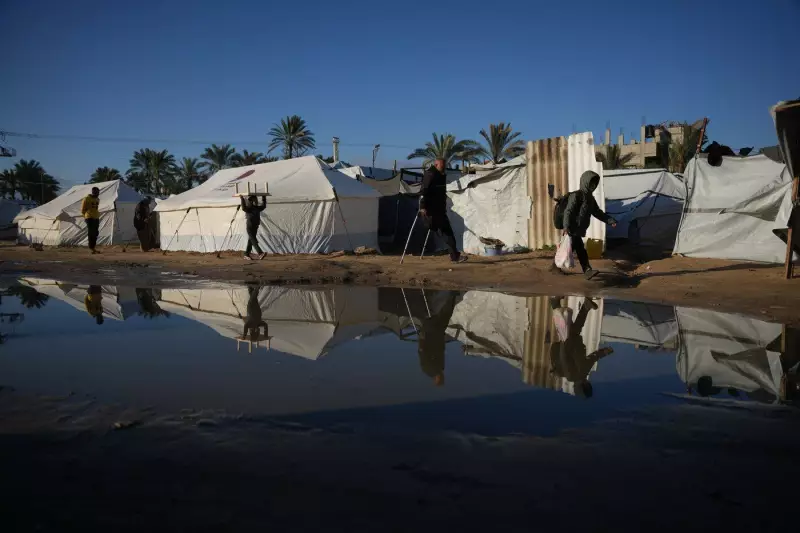
This diplomatic maneuver unfolds against a backdrop of severe humanitarian crisis in the Gaza Strip. On Saturday, January 17, 2026, raw sewage overflowed in parts of a makeshift tent camp for displaced Palestinians in Deir al-Balah, illustrating the dire living conditions faced by civilians. The conflict, now stretching into another year, continues to drive urgent calls for international intervention and sustainable solutions.
The peace board proposal represents one of the most audacious and controversial plans to emerge, aiming to leverage economic power for diplomatic ends. While the full list of invited nations remains partially undisclosed, the confirmation of multiple participants suggests a gathering momentum behind the effort.
Implications and Unanswered Questions
The agreement in principle from a figure of Carney's stature lends a degree of credibility to the initiative, yet many details remain unresolved. Key questions persist regarding the board's operational authority, its relationship with existing international bodies like the United Nations, and the ethical implications of monetizing influence over a peace process.
Furthermore, the response from the direct parties to the conflict—Israel and Hamas—as well as from current U.S. leadership, will be critical in determining the board's potential efficacy. The $1 billion price tag for a permanent seat also raises profound questions about the role of wealth in shaping geopolitical outcomes and humanitarian resolutions.
As more countries weigh their invitations and the logistical details are negotiated, the world watches to see if this unconventional approach can achieve what years of traditional diplomacy have not: a durable peace for Gaza.