Prime Minister Mark Carney has publicly expressed significant concern regarding what he terms an "escalation" of efforts by the United States to pursue the acquisition of Greenland, a move accompanied by heightened trade tensions. The comments, made on January 18, 2026, highlight a growing point of diplomatic and economic friction between the two North American allies.
Carney's Diplomatic Concerns in Doha
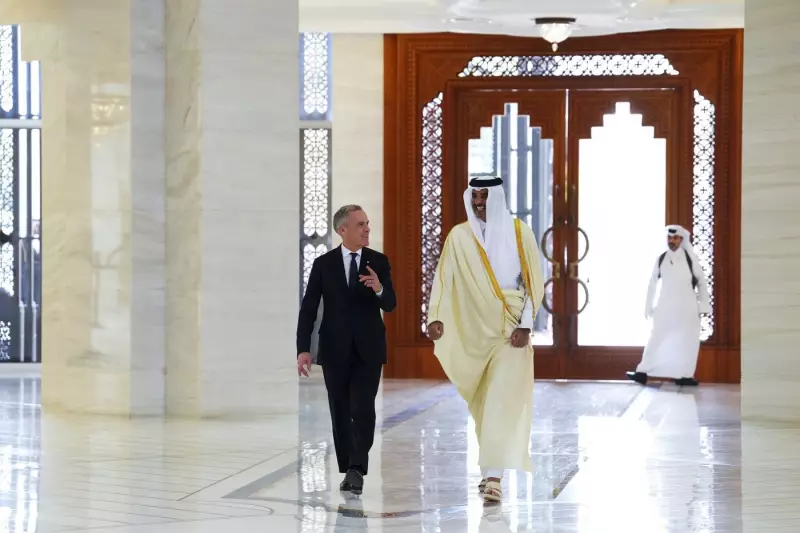
The Prime Minister's remarks came during an official visit to Qatar, where he was photographed walking with Emir Tamim bin Hamad al-Thani at the Amiri Diwan in Doha on Sunday, January 18, 2026. While the trip focused on bilateral relations, Carney took the opportunity to address the simmering issue with the United States, indicating its importance on the international stage. His concern centers on the strategic and environmental implications of a potential shift in Greenland's sovereignty and the broader pattern of U.S. policy moves.
The Context: Greenland and Trade Tensions
The U.S. interest in purchasing Greenland is not a new concept, but recent reports suggest a renewed and more forceful push from Washington. This geopolitical maneuver is unfolding against a backdrop of escalating tariffs imposed by the United States, which Carney's statement implicitly links. The Prime Minister's apprehension suggests that Ottawa views these actions as part of a concerning pattern of unilateral escalation that could destabilize long-standing alliances and trade frameworks in the Arctic and beyond.

The timing of Carney's comments is critical, as they follow other major policy announcements, including his stance on a Chinese electric vehicle deal being an "opportunity" for Ontario. This juxtaposition underscores the delicate balancing act Canada is attempting to maintain in its foreign and trade policies amidst great power competition.
Implications for Canada-U.S. Relations
Carney's public expression of concern signals a potential strain in the Canada-U.S. relationship, particularly on matters of Arctic sovereignty and international trade. As a nation with significant Arctic interests itself, Canada is closely monitoring any developments that could alter the geopolitical balance in the region. The combination of territorial ambitions and punitive trade measures creates a complex challenge for Canadian diplomats.
Analysts suggest that Ottawa may be preparing to advocate for a more multilateral and rules-based approach to Arctic affairs, opposing unilateral land acquisitions. The situation remains fluid, with the Canadian government likely to seek further clarifications from its American counterparts in the coming days and weeks.