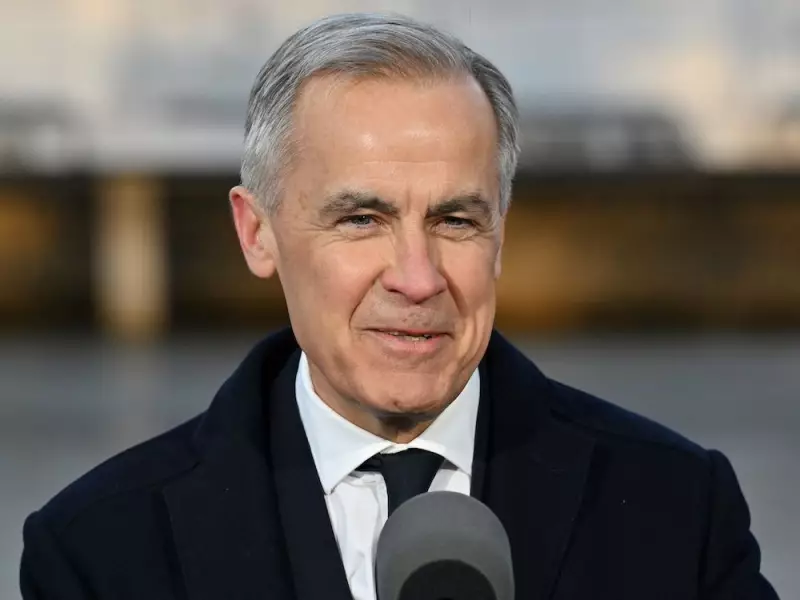
Prime Minister Mark Carney's recent push to forge a deeper partnership with China is drawing intense criticism from analysts who warn the strategy recklessly endangers Canadian national sovereignty. The move, intended to counterbalance volatility in relations with the United States, is being labeled as dangerously short-sighted by security experts.
A Thaw in Relations and a New Trade Pact
The controversial plan was unveiled on Friday, January 19, 2026, concluding Carney's four-day diplomatic mission to Beijing. This marked the first visit by a Canadian prime minister to China since 2017 and aimed to mend ties after nearly a decade of frosty relations and mutual distrust. Carney was accompanied by a high-level delegation seeking to reset the bilateral relationship.
The centerpiece of the reset is a new trade agreement. Under the deal, Canada will allow 49,000 Chinese-manufactured electric vehicles to enter the country each year, benefiting from a drastically reduced tariff rate of just 6.1 percent, down from the previous 100 percent. In exchange, Beijing has agreed to eliminate or lower tariffs on specific Canadian exports, including canola products and seafood.

The Ambitious Scope of the "Strategic Partnership"
The trade deal is framed as merely the first step in a broader alliance. A joint statement from Ottawa and Beijing outlined an expansive vision for a "comprehensive strategic partnership." Both nations positioned themselves as champions of multilateralism and committed to several cooperative fronts.
These include significantly expanding two-way trade and investment, collaborating to combat drug trafficking and transnational crime, and deepening "people-to-people ties" through enhanced cultural, educational, and even legislative exchanges. This sweeping agenda has immediately raised red flags within Canada's political and security commentary circles.
Mounting Criticism and Security Alarms
The announcement has alarmed a significant portion of the Canadian commentariat. Critics point to Beijing's extensive record of human rights abuses as grounds for moral objection to closer ties. More pointedly, security-focused analysts highlight China's documented campaigns to undermine Canadian democratic institutions and public safety.
Specific concerns cited include Beijing's interference in Canadian elections and its role in the flow of illicit fentanyl and its precursors onto Canadian streets, exacerbating the nation's opioid crisis. Critics argue the new partnership does nothing to address, and may even facilitate, such hostile activities.
Carney's Defense: "Values-Based Realism" vs. U.S. Volatility
Facing these criticisms at a Friday news conference, Prime Minister Carney offered a pragmatic defense. Strikingly, this comes from a leader who, just last year, identified China as "the biggest security threat" facing Canada. When questioned on human rights, Carney stated, "We take the world as it is, not as we wish it to be."
He framed his approach as "values-based realism," arguing that Canada's relationship with Beijing had grown "more predictable" than its relationship with Washington under U.S. President Donald Trump. Carney's stance acknowledges the realpolitik challenges posed by the current U.S. administration.
President Trump has repeatedly unsettled traditional allies with erratic trade tariffs and inflammatory rhetoric, including claims that the United States should absorb Canada. This behavior creates a legitimate impetus for any Canadian leader to seek diversification in international partnerships to protect national interests.
The Sovereignty Dilemma: A Choice Between Two Risks
The core of the debate hinges on a profound sovereignty dilemma. On one side lies the documented threat of foreign infiltration and influence from an authoritarian regime. On the other is the perceived threat of over-dependence on a historically stable ally that is currently acting in an unpredictable and occasionally hostile manner towards its neighbors.

While proponents of diplomatic diversification argue that reducing dependency on the U.S. is a prudent step for national self-preservation, opponents counter that pivoting toward Beijing swaps one set of risks for another that is far more insidious and directly corrosive to democratic institutions. The Carney government's new China strategy has placed this high-stakes debate at the forefront of Canada's foreign policy agenda, with no clear consensus in sight.