Fresh questions are being raised about Prime Minister Mark Carney's diplomatic strategy and his effectiveness in high-stakes negotiations, particularly with the United States, following his high-profile visit to Beijing.
A New Partnership with Beijing
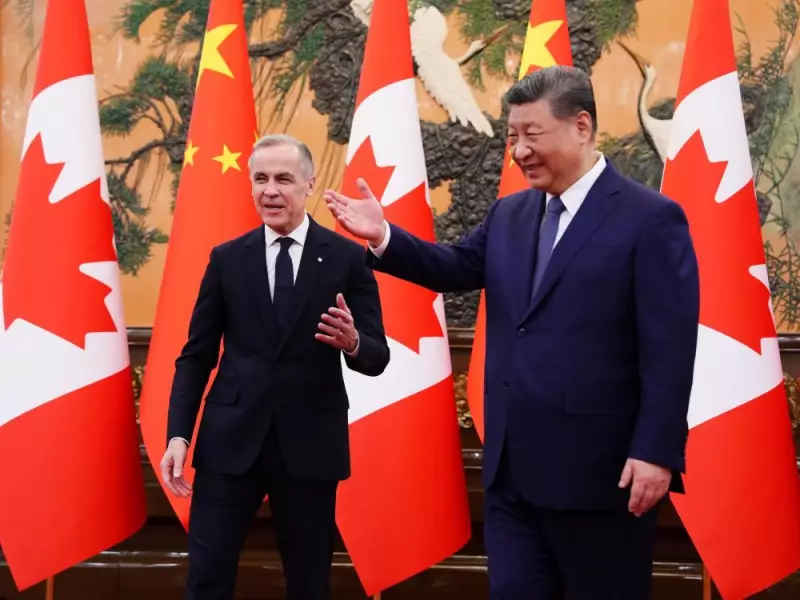
Prime Minister Mark Carney was in Beijing this week, where he met with Chinese President Xi Jinping and other senior Communist Party officials. The visit, which began on Wednesday, January 16, 2026, was marked by a red-carpet reception. Carney himself posted a video upon arrival, waving before descending his plane's steps.
In a social media post, Carney declared, "The relationship between Canada and China has created opportunities and prosperity on both sides of the Pacific. We're ready to build a new partnership—one that builds on the best of our past, and responds to the challenges of today." Observers noted that such definitive statements are unusual before substantive talks have concluded.

The Five Pillars of Cooperation
The Canadian government subsequently announced it is forming a "new strategic partnership" with China, built on five key areas. These pillars include energy, economic and trade co-operation, multilateralism, and culture and people-to-people ties. The most contentious pillar, however, is "public safety and security."
While announcing this initiative, Carney appeared to stumble over his words. He stated that pragmatic engagement with China is crucial in this area, promising increased co-operation between law enforcement agencies to combat narcotics trafficking, transnational crime, cybercrime, synthetic drugs, and money laundering. "We will create safer communities for people in both our countries," he said.
Mounting Skepticism and Broader Concerns
This security pledge has been met with profound skepticism. Critics are asking if the government believes China, identified as the primary global source of fentanyl, will suddenly cease such activities. Further doubts concern whether Chinese criminal organizations will stop laundering drug money through Canadian real estate, notably in Vancouver, or if state-sponsored cyber-espionage against Canadian infrastructure will halt.
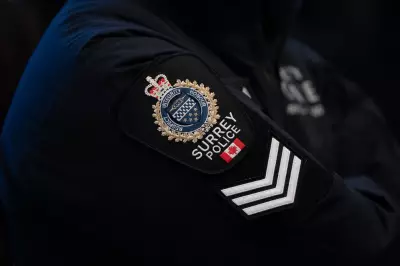
The announcement also ignores recent history, including the Foreign Interference Commission's final report released a year ago and the kidnapping of the "Two Michaels." It also overlooks China's use of overseas police stations for influence and control, which President Xi has called a "magic weapon" for national rejuvenation.
This China-focused move comes as negotiations with the United States under President Donald Trump appear to have stalled, with little explanation provided to Canadians. The juxtaposition has led many to question Carney's diplomatic priorities and his tactical approach. During the federal leaders' election debate in April 2025, Carney himself identified China as Canada's biggest security threat, momentarily stumbling and almost saying "China" was the threat to itself.
The core question now facing observers is whether Mark Carney was the best choice to negotiate with a figure like Donald Trump. Given the ambitious and controversial deal struck in Beijing while talks with Washington languish, a growing number of signs suggest the answer is a resounding no.