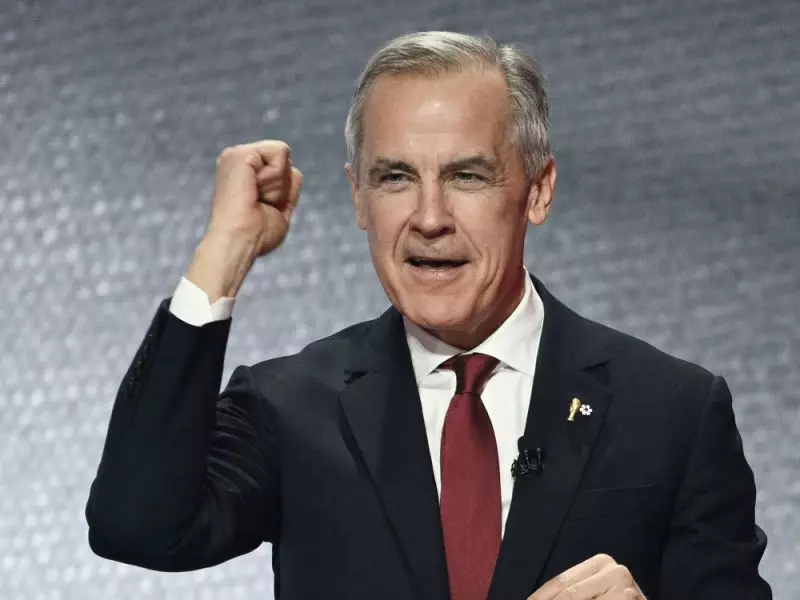
Prime Minister Mark Carney is championing a new strategic partnership with Qatar, even as the Canadian government's own travel website warns citizens to exercise a high degree of caution when visiting the Gulf state, particularly if they are LGBTQ+ or women.
A Partnership Forged Amidst Warnings
On January 18, 2026, Carney concluded the first-ever visit by a sitting Canadian prime minister to Qatar. He met with the nation's leader, Amir Sheikh Tamim bin Hamad Al Thani, to solidify a new agreement aimed at boosting trade, investment, artificial intelligence, and defence cooperation. Carney described Qatar as a "critical partner to Canada in many shared pursuits of peace and stability" and highlighted its past help in evacuating Canadians from Afghanistan.
However, this rosy diplomatic picture starkly contrasts with the official guidance provided to Canadian travellers by Global Affairs Canada. The government's travel advisory for Qatar explicitly states travellers should "exercise a high degree of caution" due to the threat of terrorism and regional tensions.

Official Advisories Highlight Significant Risks
The warnings go far beyond generic security concerns. The Canadian website offers specific cautions for several groups, directly conflicting with the values Carney's government often promotes.
For LGBTQ+ individuals, the advisory is blunt: "Qatari law criminalizes sexual acts and relationships between persons of the same sex." It notes that 2SLGBTQI+ persons could face discrimination, detention, and penalties including imprisonment or corporal punishment. The government advises them to "carefully consider the risks of travelling to Qatar."
Women are also specifically warned. The advisory notes that "foreign women have been detained and accused of extramarital sex after reporting sexual assault." Other listed concerns include the illegality of public alcohol consumption, the risk for travellers with Israeli passport stamps, and the need to avoid public displays of affection.
Carney's "New World Order" and a Pattern of Pragmatism
When questioned about this apparent contradiction, the Prime Minister's office pointed to Carney's stated foreign policy approach of a "new world order" where Canada must "take the world as it is, not as we wish it to be." This pragmatic stance, aimed at diversifying trade and attracting investment to counter global economic uncertainty, appears to prioritize economic and strategic interests over value-based alignment.
This is not an isolated case. Earlier the same week, Carney pursued deeper ties with China, a nation he had previously labeled Canada's biggest security threat. The Qatar deal follows a similar pattern: securing capital and markets for Canadian industries like clean energy, AI, and defence, despite documented human rights concerns.
The mixed messaging leaves Canadian citizens and businesses in a difficult position. While the federal government promotes lucrative opportunities in Qatar, it simultaneously instructs many Canadians that their identity or gender could put them at serious legal risk should they travel there to pursue those same opportunities. The disconnect underscores the complex challenges of navigating diplomacy, trade, and principled foreign policy in an uncertain global landscape.