Iranians Observe Eid Amid Regional Conflict as Trump Considers Military Withdrawal
Thousands of Iranians gathered for Eid al-Fitr prayers on Saturday, marking the conclusion of the holy month of Ramadan, as tensions with the United States and Israel continued to escalate across the region. The religious observance unfolded against a backdrop of military strikes and geopolitical maneuvering that has dominated international headlines for weeks.
Traditional Leadership Absent During Critical Moment
In a departure from established tradition, Iran's supreme leader did not lead the Eid prayers this year. Ayatollah Mojtaba Khamenei, who assumed power earlier this month following the death of his father in a U.S.-Israeli strike, has maintained a notably low public profile since taking office. Instead, Gholam Hossein Mohseni Ejei, the head of Iran's judiciary, presided over the prayers at Tehran's Imam Khomeini grand mosque.
The mosque, named after the founder of the Islamic Republic, was filled to capacity with worshippers, with additional crowds spilling into the surrounding streets. The scene presented a striking contrast to the military developments unfolding simultaneously across the country and region.

Nuclear Facility Targeted Amid Ongoing Strikes
According to statements from Iran's atomic energy organization, the United States and Israel targeted a plant at the Natanz nuclear facility in Isfahan province. The site, which houses underground centrifuges used for uranium enrichment as part of Iran's controversial nuclear program, had previously sustained damage during last year's June conflict.
"Following the criminal attacks by the United States and the usurping Zionist regime against our country, the Natanz enrichment complex was targeted this morning," the agency declared in a statement carried by the Tasnim news agency. Iranian authorities confirmed that no leakage of nuclear materials resulted from the strike, though the psychological impact on the nation's nuclear ambitions remains significant.
Trump Signals Potential Withdrawal as Conflict Persists
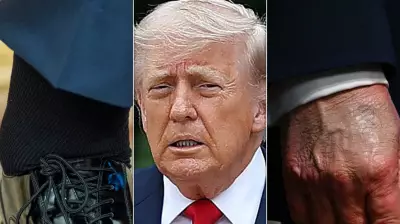
After three weeks of conflict that has sent global energy prices soaring, disrupted vital oil export routes through the Strait of Hormuz, and strained Washington's relationships with key allies, U.S. President Donald Trump indicated he was considering scaling back American military involvement.
"We are getting very close to meeting our objectives as we consider winding down our great military efforts in the Middle East," Trump posted on social media. The White House press secretary subsequently clarified that the Pentagon was examining a timeline of four to six weeks to complete its current mission objectives.
Despite these signals of potential withdrawal, U.S. media reports indicate Washington is deploying thousands of additional marines to the Middle East, suggesting preparations for possible ground operations. Meanwhile, Iran continues to conduct strikes against both Israel and its oil-rich Gulf neighbors, maintaining pressure across multiple fronts.
Regional Conflict Expands Beyond Immediate Borders
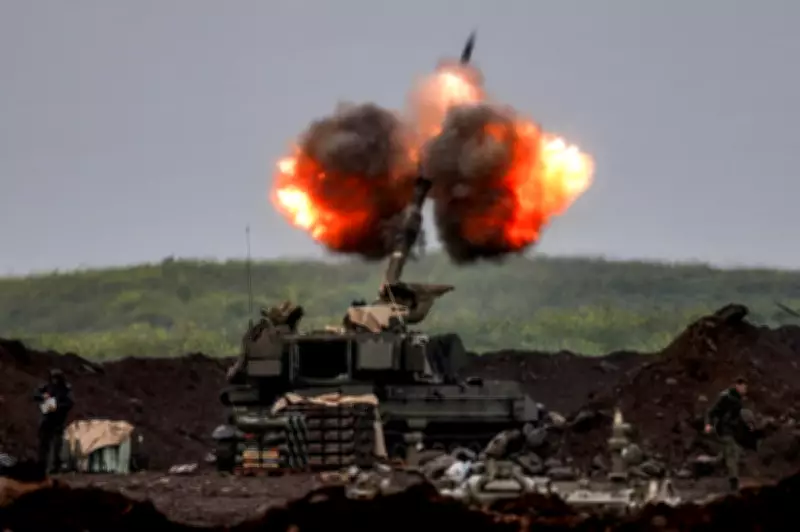
The conflict has extended beyond the Persian Gulf region, with hostilities spreading to Lebanon where the Israeli military has conducted regular bombardments in response to rocket fire from Hezbollah, a key Iranian ally. This expansion underscores the complex web of regional alliances and animosities that have been activated by the ongoing confrontation.
Following overnight Iranian missile fire directed at Israel, the Israeli military confirmed it had carried out strikes on what it described as "regime targets" in Iran's capital. Tehran has been under bombardment since a U.S.-Israeli attack initiated the current phase of conflict on February 28.
International Support and Diplomatic Messaging
Amid the turmoil, Russian President Vladimir Putin sent greetings to Ayatollah Khamenei, expressing solidarity with the Iranian people. According to official statements, Putin "wished the Iranian people strength in overcoming these severe trials and emphasized that during this difficult time, Moscow remained a loyal friend and reliable partner of Tehran." This diplomatic support from a major global power highlights the broader geopolitical dimensions of the conflict.

The convergence of religious observance, military conflict, and diplomatic maneuvering creates a complex tableau as Iranians navigate both spiritual and geopolitical challenges during this pivotal moment in the region's history.