EU Diplomats Set for Key Talks with Board of Peace Director on Gaza's Future
In a significant diplomatic move, European Union diplomats are preparing to meet with the director of the Board of Peace to address the pressing issue of Gaza's future. This meeting comes as the ongoing Israel-Hamas war continues to escalate tensions and humanitarian concerns in the region, prompting international actors to seek pathways toward stability and reconstruction.
Background and Context of the Meeting
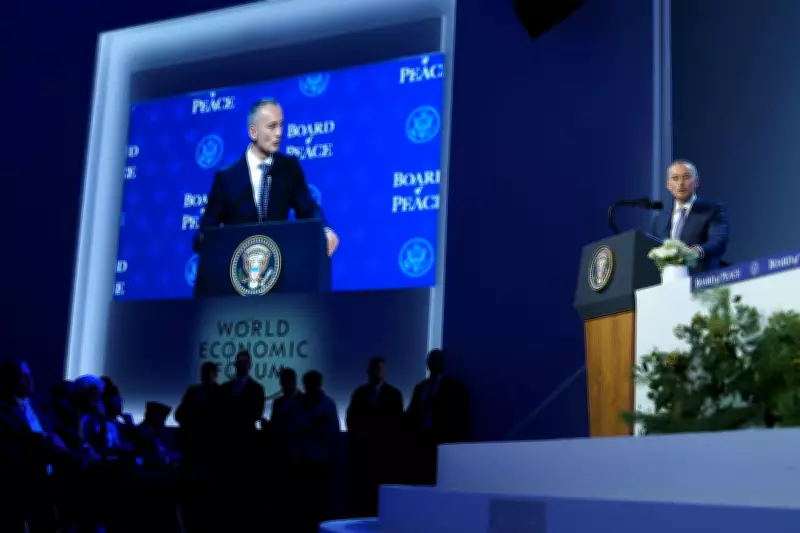
The Board of Peace, an organization dedicated to fostering global conflict resolution, has been actively involved in Middle Eastern affairs. Notably, board member Nickolay Mladenov recently participated in the signing of a Board of Peace charter during the Annual Meeting of the World Economic Forum in Davos, Switzerland, in January 2026. This event underscored the board's commitment to multilateral cooperation and peacebuilding initiatives, setting the stage for the upcoming discussions on Gaza.
The Israel-Hamas conflict, which has seen periodic flare-ups and devastating impacts on civilian populations, remains a critical focal point for international diplomacy. The EU's engagement reflects a broader effort to coordinate with peace organizations and leverage diplomatic channels to mitigate violence and plan for post-conflict scenarios in Gaza.

Implications for Regional Stability
This meeting is expected to delve into strategies for humanitarian aid, infrastructure rebuilding, and long-term governance in Gaza. With the war affecting millions, the discussions aim to outline a framework that balances security concerns with the needs of Gaza's residents. The EU's involvement highlights its role as a key player in global peace efforts, particularly in conflict zones where European interests and values are at stake.
Experts suggest that such diplomatic engagements are crucial for preventing further escalation and fostering dialogue between conflicting parties. The Board of Peace's expertise in conflict mediation could provide valuable insights into crafting sustainable solutions, potentially influencing future peace negotiations and international policy decisions.
Challenges and Opportunities Ahead
Despite the optimism surrounding these talks, significant challenges persist. The complex dynamics of the Israel-Hamas war, including political divisions and historical grievances, may complicate efforts to reach consensus on Gaza's future. However, the meeting represents an opportunity to build on previous peace initiatives and explore innovative approaches to conflict resolution.
As the world watches, the outcome of this meeting could set a precedent for how international organizations and diplomatic bodies collaborate in addressing protracted conflicts. It underscores the importance of sustained engagement and multilateral cooperation in navigating the turbulent landscape of Middle Eastern politics.