France Escalates Diplomatic Dispute with United States, Bars Ministers from Meeting Ambassador
In a significant escalation of diplomatic tensions, the French government has announced a firm stance in its ongoing dispute with the United States. Officials declared that French ministers will no longer engage in meetings with U.S. Ambassador to France, Charles Kushner. This decision marks a notable deterioration in bilateral relations, reflecting deepening disagreements between the two longstanding allies.
Background of the Diplomatic Rift
The origins of this diplomatic spat trace back to recent policy clashes and public statements that have strained the Franco-American partnership. While specific details of the triggering incidents remain under wraps, insiders suggest that disagreements over trade, security, and foreign policy approaches have fueled the conflict. Ambassador Kushner, who assumed his role in Paris, has been at the center of these tensions, with his diplomatic style and positions reportedly drawing criticism from French leadership.
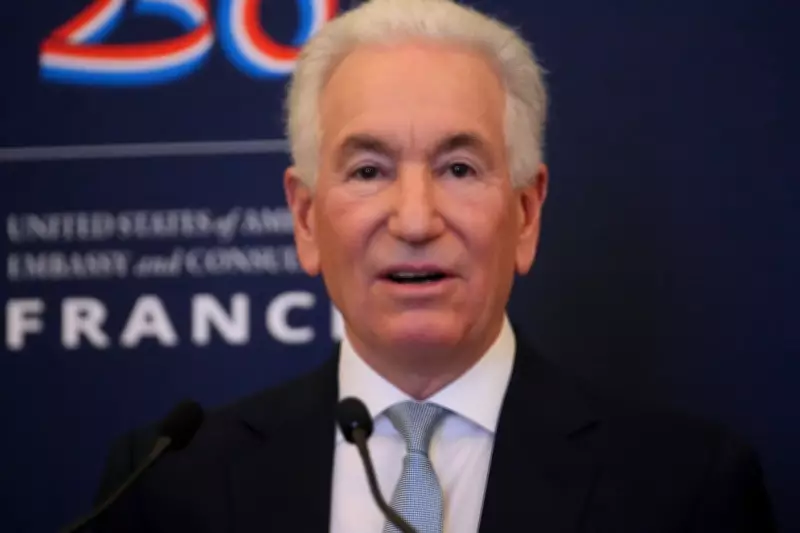
Charles Kushner, a prominent figure appointed as ambassador, previously made headlines for his news conference in Paris in December 2025, commemorating the 250th birthday of the United States. However, his tenure has since been marred by increasing friction, culminating in this latest diplomatic rebuff from France.

Implications for International Relations
This move by France carries substantial implications for international diplomacy and alliance dynamics. By restricting ministerial access to the U.S. ambassador, France is signaling a willingness to take hardline measures in defense of its national interests. Analysts warn that such actions could undermine collaborative efforts on global issues, including climate change, economic stability, and security challenges.
The decision to halt high-level meetings represents a clear escalation, potentially complicating negotiations and cooperation between the two nations. It may also influence other European Union members, as France often plays a leading role in shaping EU foreign policy towards the United States.
Reactions and Future Prospects
Reactions from both sides have been measured but firm. French officials have emphasized their commitment to principled diplomacy, while U.S. representatives have expressed disappointment but remain open to dialogue. The situation underscores the fragile nature of international alliances in an era of shifting geopolitical landscapes.
Looking ahead, the path to reconciliation appears challenging. Key factors that could influence the resolution include:
- Diplomatic overtures from third-party mediators
- Shifts in policy stances from either government
- Public and political pressure to restore normal relations
Observers note that while diplomatic spats are not uncommon, the severity of this measure—barring ministerial meetings—indicates a deeper rift that may require sustained efforts to mend. The coming weeks will be critical in determining whether both nations can navigate this dispute without further escalation.