U.S.-Brokered Geneva Talks Offer Hope for Russia-Ukraine War Resolution
In a significant diplomatic development, Russian and Ukrainian officials have convened in Geneva for high-stakes negotiations brokered by the United States, following nearly four years of intense warfare between the two nations. This meeting represents a crucial opportunity to explore pathways toward ending a conflict that has resulted in immense human suffering and geopolitical instability across Eastern Europe.
Timing and Context of the Negotiations
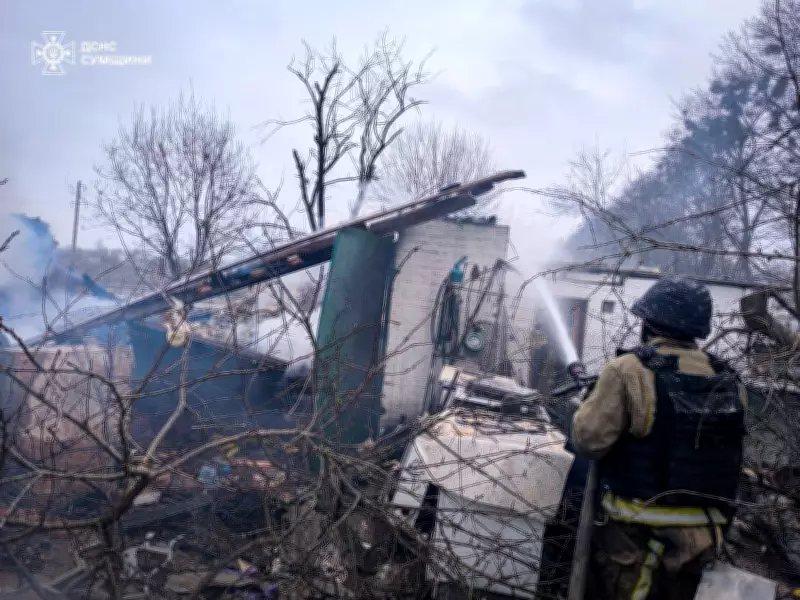
The talks come at a pivotal moment, as the war approaches its fourth anniversary with no clear end in sight. Recent events, including a Russian air attack in Ukraine's Sumy region on February 17, 2026, underscore the ongoing violence, where firefighters were photographed battling blazes in private houses. This incident highlights the urgent need for diplomatic solutions to prevent further civilian casualties and infrastructure damage.
The United States has taken a leading role in facilitating these discussions, aiming to bridge the deep divides between Moscow and Kyiv. While previous negotiation attempts have yielded limited results, the involvement of American mediators could potentially unlock new compromises or confidence-building measures.

Challenges and Stakes Involved
Both sides enter the Geneva talks with entrenched positions and historical grievances, making progress uncertain. Key issues likely on the agenda include territorial disputes, security guarantees, humanitarian concerns, and the status of occupied regions. The outcome could significantly influence not only the future of Ukraine but also broader European security dynamics and international relations.
Analysts note that while a comprehensive peace agreement may remain elusive in the short term, even incremental steps toward de-escalation or prisoner exchanges could represent meaningful progress. The international community is closely monitoring the proceedings, with many hoping for a reduction in hostilities that has claimed thousands of lives and displaced millions since the conflict began.
Broader Implications and Future Prospects
Success in Geneva could pave the way for more sustained diplomatic engagement, potentially involving other global powers or international organizations. Conversely, failure might lead to intensified military operations and prolonged suffering for affected populations. The talks also occur against a backdrop of related global events, such as Iran's live-fire drills in the Strait of Hormuz and Canada's Olympic hockey achievements, reminding observers of the interconnected nature of international affairs.
As the discussions unfold, the world watches with cautious optimism, recognizing that while the road to peace may be long and fraught with obstacles, every diplomatic effort brings the possibility of ending one of the most devastating conflicts of the early 21st century.