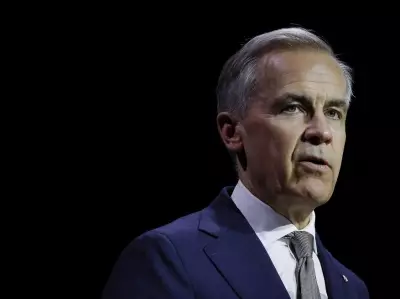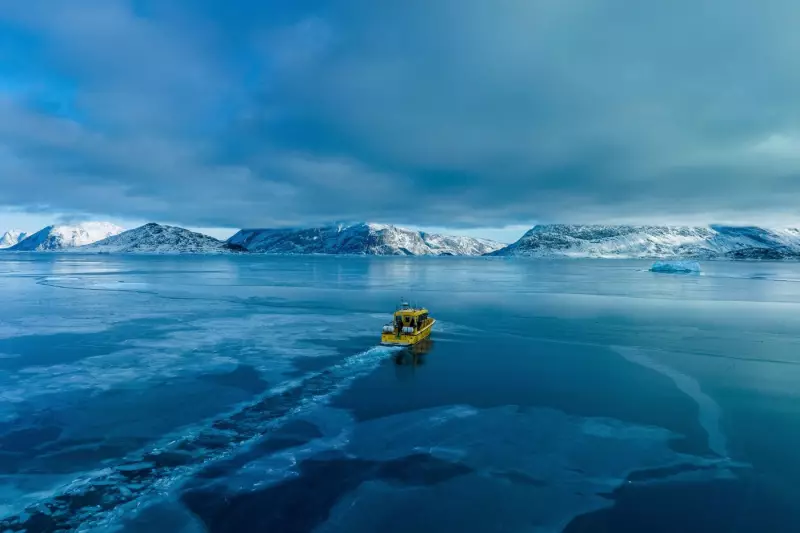
In a significant declaration that recalibrates the strategic landscape of the North Atlantic, the Prime Minister of Greenland has publicly affirmed the nation's choice to deepen its partnership with Denmark over the United States. The statement, made on January 13, 2026, underscores a pivotal moment in Arctic affairs with direct implications for neighbouring Canada and global powers.
A Deliberate Choice with Geopolitical Weight
The announcement from Greenland's leader is not merely a diplomatic formality but a calculated decision with profound consequences. It signals a preference for strengthening historical and cultural ties within the Kingdom of Denmark, which includes Greenland and the Faroe Islands, over pursuing a potentially more dominant alliance with Washington. This choice comes at a time of intense international focus on the Arctic, driven by climate change, resource exploration, and new shipping routes.
Analysts suggest this move is a clear assertion of Greenlandic autonomy within its existing constitutional framework. While Denmark handles foreign and security policy, Greenland's government holds substantial influence over domestic affairs, including resource management. By publicly choosing Copenhagen, Nuuk is reinforcing a partnership based on shared history and a gradual path toward greater self-determination, rather than opting for a relationship that could be perceived as more transactional or overwhelming with a superpower like the U.S.

Context and Implications for the Arctic Region
The decision arrives amidst a backdrop of heightened geopolitical competition in the Arctic, where Russia, the United States, Canada, and Nordic nations all have significant interests. The United States maintains a major air base at Thule in northern Greenland, a critical asset for North American aerospace defense. Greenland's PM's statement, therefore, carefully navigates this complex reality, affirming a primary partnership with Denmark without necessarily severing practical cooperation with American defense interests.
For Canada, a fellow Arctic nation with its own vast northern territories, Greenland's reaffirmed alignment with Denmark presents both continuity and opportunity. It maintains a stable, familiar partner in regional governance forums like the Arctic Council. However, it also subtly underscores the different models of sovereignty and development in the North, inviting Ottawa to consider its own relationships with Greenland and the Nordic bloc as the region's strategic importance grows.
Looking Forward: Sovereignty and Sustainable Development
The Prime Minister's declaration is ultimately a forward-looking statement about Greenland's future. It prioritizes a managed, collaborative approach to development and international engagement through its partnership with Denmark. This path is likely seen in Nuuk as offering a balance between accessing European markets and expertise while cautiously managing the immense interest from global powers attracted by the island's mineral resources and geographic position.
The choice emphasizes political and cultural sovereignty alongside economic development, a calculus that will be closely watched by Indigenous communities and governments across the circumpolar world, including in Canada's North. It reaffirms that the future of the Arctic will be shaped not only by external powers but by the deliberate choices of the peoples and governments who call it home.