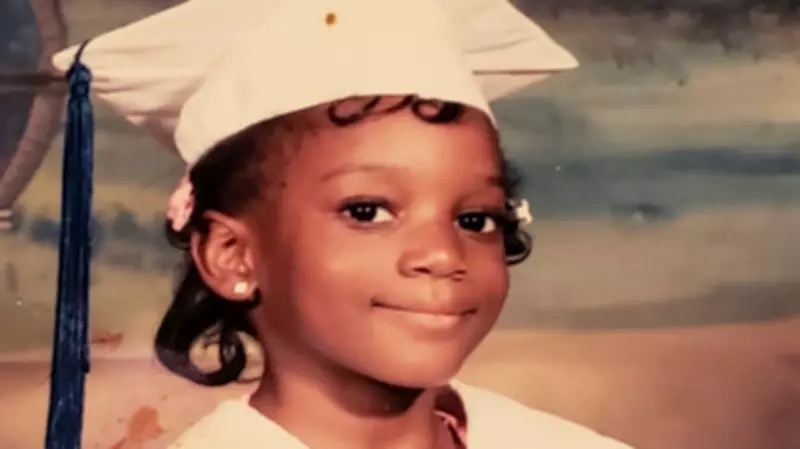
When news of domestic violence breaks, society reacts with shock, followed by media coverage, and then silence until the next incident. For survivors like me, each headline triggers a visceral response: a racing heart, shortness of breath, sweaty palms, and tears. These are not just stories; they are painful reminders of a childhood I wish I could forget.
The Hidden Aftermath of Domestic Violence
Recent weeks have seen a surge in reports of women being murdered or attacked, including a tragic incident where eight children lost their lives in what authorities call a mass domestic event. While the media focuses on the immediate details, the long-term impact on surviving children is often overlooked. In the United States, a woman is killed by an intimate partner every eight hours. My mother survived, but my heart aches for children whose mothers did not. I, too, am a survivor.
The Lasting Scars of Trauma
Trauma follows children into adulthood, manifesting in ways not always visible. My own struggles included sleep disturbances, nightmares, anxiety, aggression, and hypervigilance. These are signs of deep-seated trauma, which can be a single event or prolonged exposure. Early in therapy, I was diagnosed with post-traumatic stress disorder (PTSD), a condition triggered by experiencing or witnessing life-threatening events.

Chronic stress floods the body with cortisol, affecting brain development, emotional regulation, and memory. Over the years, I received advice: go to therapy (I did), pray (I tried, but it left unanswered questions), or simply get over it. That last expectation ignores how trauma works. For many survivors, being told to move on comes before the body has processed the experience.
Living with Trauma, Not Getting Over It
My body learned early that the world is unsafe. That response doesn't fade with time or positive thinking. It lingers, showing up in subtle ways. What survivors truly need is the freedom to not get over it, because some can't. Learning to live with trauma and getting over it are different. I have learned to coexist with the aftereffects, hoping for healing but not waiting for it.
For the children surviving recent headlines and those living with domestic violence daily, I hope they find peace, know it's okay to not be okay, and receive love and support. Healing is a journey, not a destination.
Eboni Delaney is a Public Voices Fellow of the OpEd Project in partnership with the National Black Child Development Institute.