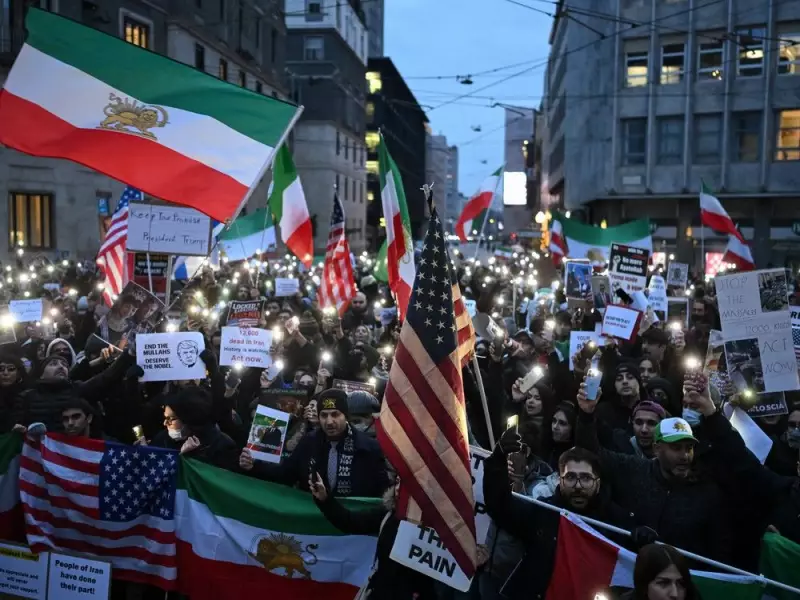
Human rights organizations are reporting that the death toll from ongoing anti-regime protests in Iran may have reached several thousand, as former U.S. President Donald Trump publicly urges Iranians to continue their demonstrations against the government of Supreme Leader Ayatollah Ali Khamenei.
Escalating Violence and a Soaring Death Toll
The U.S.-based Human Rights Activists News Agency (HRANA) reported on Tuesday, January 13, 2026, that at least 2,000 people have died in just over two weeks of violent upheaval across Iran. This figure, if confirmed, would mark the deadliest wave of demonstrations the Islamic Republic has witnessed in decades.
According to HRANA's breakdown, the fatalities include approximately 1,850 protesters, 135 government-affiliated individuals, nine children, and nine other civilians not participating in the protests. The Oslo-based Iran Human Rights (IHR) group has warned of an "extremely serious" risk of mass executions and suggested the death toll could be significantly higher, potentially exceeding 6,000.

International Reactions and Trump's Call to Action
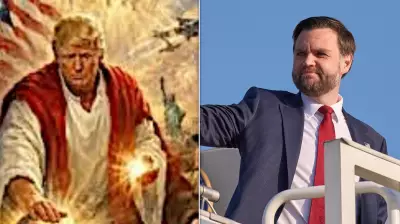
Amid the rising casualties, Donald Trump has taken a vocal stance. On Tuesday, he posted on his Truth Social platform, "KEEP PROTESTING – TAKE OVER YOUR INSTITUTIONS!!!" He stated he had cancelled all meetings with Iranian officials until the killing of demonstrators ceases and promised protesters that "HELP IS ON ITS WAY," though he provided no specific details.
In a move to further isolate Tehran, Trump announced on Monday the imposition of a 25% tariff on goods from any country "doing business" with Iran. This policy could significantly impact major trading partners of Iran, including China, the United Arab Emirates, and Turkey.
German Chancellor Friedrich Merz added to the international condemnation, predicting during a visit to India that the Islamic Republic is in its "final days" and "effectively finished."
A Nation in Turmoil and an Information Blackout
The protests, which began late last year over economic grievances, have dramatically escalated, drawing hundreds of thousands to the streets with calls for the downfall of Supreme Leader Khamenei. Verified videos, including one from a mortuary on the outskirts of Tehran reviewed by the BBC, show scores of bodies, underscoring the scale of the violence.
Iranian authorities have not released any official figures for civilian deaths. State media maintains its narrative, blaming "terrorists and rioters" for the violence and reporting scores of security force casualties, all while a widespread internet blackout hampers the flow of information. HRANA also reports that nearly 17,000 people have been detained in connection with the protests.
Despite a severe government crackdown and state-organized counter-rallies, the fundamental drivers of the unrest remain unresolved, casting doubt on how long the current, tense calm can hold.