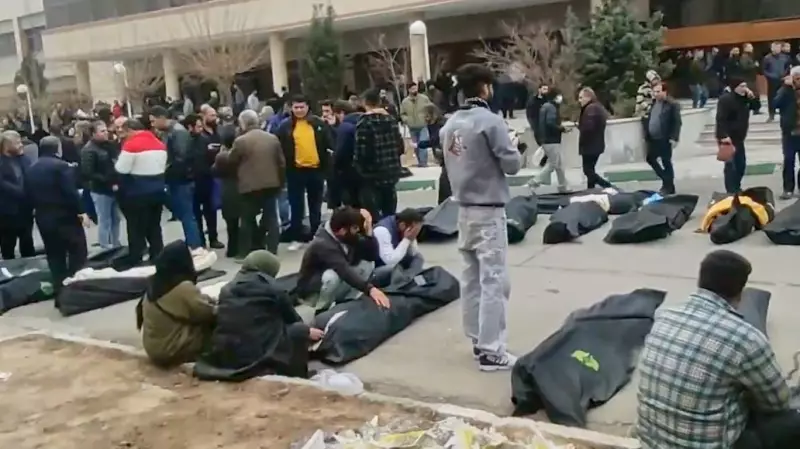
The human cost of the ongoing civil unrest in Iran has escalated dramatically, with the death toll from nationwide protests now reaching at least 2,000 people, according to reports. The surge in casualties comes as the Iranian regime continues its severe crackdown on demonstrators and cuts off communications within the country.
International Response and Trump's Stance
In a significant development on the international stage, former U.S. President Donald Trump has cancelled planned meetings with Iranian officials. In a statement made on January 13, 2026, Trump declared that 'help is on its way' to the Iranian people, signaling a potential shift in American foreign policy posture towards the regime in Tehran. This move adds a new layer of geopolitical tension to the crisis.
The protests, which have spread across Iran, are described by human rights activists as 'absolutely brutal' in the face of the government's response. Experts note that the current wave of demonstrations appears to be fundamentally different from previous revolutionary movements in the country's history, showing deeper and more widespread dissent.

Blackout and Global Diaspora Reaction
Iran's imposition of a widespread communications blackout has been labeled 'horrifying' by protest attendees and observers, as it obscures the full scale of the violence and prevents coordination among demonstrators. The blackout has also made verifying casualty figures and on-the-ground events extremely challenging for international media and watchdog groups.
The crisis has resonated strongly with the global Iranian diaspora. In Los Angeles, tensions flared at an anti-regime demonstration where a U-Haul truck barreled through a crowd, highlighting the heightened emotions surrounding the issue. However, many within Iranian communities abroad remain hesitant to speak out publicly on camera due to fears of reprisal against family members still in Iran.
Regional Implications and Expert Analysis
Middle East analysts suggest that Iran's options for retaliating against international pressure, such as potential new sanctions on its trading partners announced by Trump, may be limited. The combination of internal upheaval and external economic pressure presents a severe challenge to the regime's stability.
The situation remains fluid and dangerously volatile. The spike in the death toll to 2,000 marks a grim milestone and underscores the severe human rights crisis unfolding. The world watches closely as internal rebellion and potential external intervention shape the future of Iran and the broader Middle East region.