Iranian Official Declares Readiness for Extended Conflict with United States
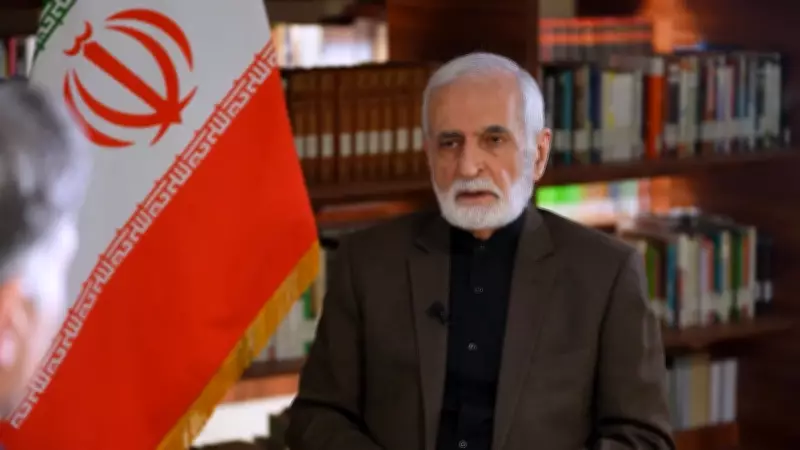
In a stark and revealing exclusive interview conducted in Tehran, a high-ranking Iranian official has asserted that the Islamic Republic is fully prepared to engage in a protracted war with the United States. Kamal Kharazi, the Foreign Policy Advisor to the office of Iran's Supreme Leader, conveyed this position to CNN's Fred Pleitgen, indicating a significant hardening of Tehran's stance.
Diplomatic Channels Deemed Ineffective
Kharazi explicitly stated that he sees no viable room for diplomacy to resolve the ongoing tensions. "The regime can continue with the war for a long time," he told CNN, emphasizing a shift away from negotiated settlements. This declaration underscores a deepening impasse in international relations concerning the Middle East conflict.
The interview was conducted under the permission of the Iranian government, as mandated by local regulations. However, CNN maintains full editorial control over its reporting, with no prior review, approval, or preview by Iranian authorities before publication or broadcast.

Economic Pressure Identified as Sole Potential Catalyst for Peace
The senior official highlighted that only sustained economic pain could potentially alter Iran's course. This suggests that international sanctions and financial pressures are viewed within Tehran as the primary, if not only, leverage points that might compel a change in their strategic calculations regarding the conflict.
This interview provides a rare, direct insight into the current thinking of Iran's leadership cadre. The remarks signal a deliberate and calculated posture of endurance, challenging assumptions about the regime's vulnerability or willingness to seek a diplomatic off-ramp in the near term.
The implications of this stance are profound, potentially affecting global oil markets, regional stability, and international security protocols. As tensions persist, the international community is left to grapple with the prospect of a prolonged standoff where traditional diplomatic tools appear increasingly marginalized.