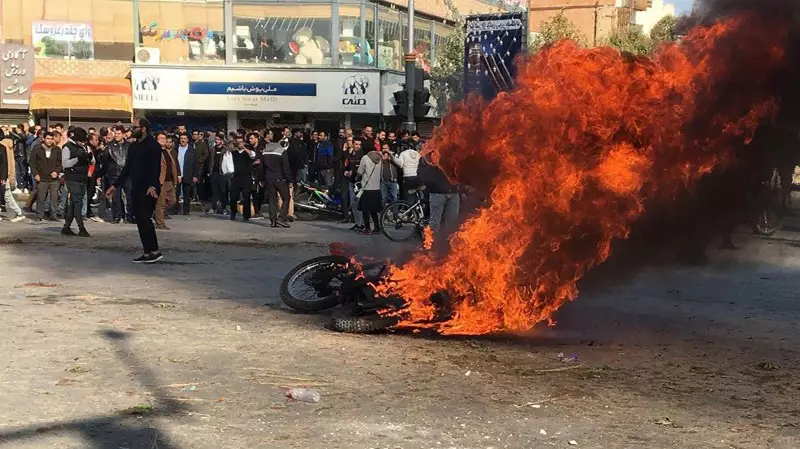
An expert from a prominent Washington-based think tank has stated that Iran's government is beginning to display signs of apprehension in response to escalating demonstrations across the nation. The comments highlight the potential pressure mounting on the regime from sustained public dissent.
Expert Analysis Points to Regime Anxiety
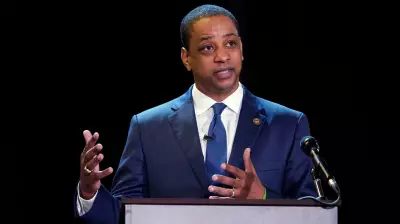
Thomas Warrick, a senior fellow with the Atlantic Council, provided analysis indicating a shift in the Iranian government's posture. According to Warrick, the regime, which has historically confronted protests with a firm hand, is now "starting to show some concern." This observation, made on January 09, 2026, suggests that the scale and persistence of the current wave of unrest may be presenting a unique challenge to authorities in Tehran.
The specific catalysts for the latest protests were not detailed in the brief, but ongoing economic hardship, social restrictions, and political grievances have frequently fueled public anger in Iran in recent years. Warrick's assessment implies that the government's internal calculus regarding its response may be evolving as it gauges the movement's strength.

Context of Sustained Public Discontent
Protests in Iran are not a new phenomenon, but expert analyses suggesting open regime concern are closely watched by international observers. Such statements often point to the growing protests reaching a threshold that complicates the state's usual strategies of containment and suppression.
The regime's stability has been tested repeatedly by waves of demonstrations. A key question now is whether this expressed "concern" will translate into policy shifts, a harsher crackdown, or indicates divisions within the ruling establishment. The outcome could have significant ramifications for Iran's domestic politics and its foreign relations.
Implications for the Future
While the immediate future remains uncertain, Warrick's commentary underscores a potentially pivotal moment. The Iranian regime's visible concern is a metric that analysts use to assess the durability of protest movements and the resilience of the government itself. It marks a development where the public's actions are directly influencing the perceived confidence of the ruling power.
As the situation develops, the international community will monitor whether this concern leads to concessions, reforms, or a renewed effort to quell dissent. The Atlantic Council senior fellow's analysis provides a lens through which to view the ongoing tensions between the Iranian state and segments of its populace.