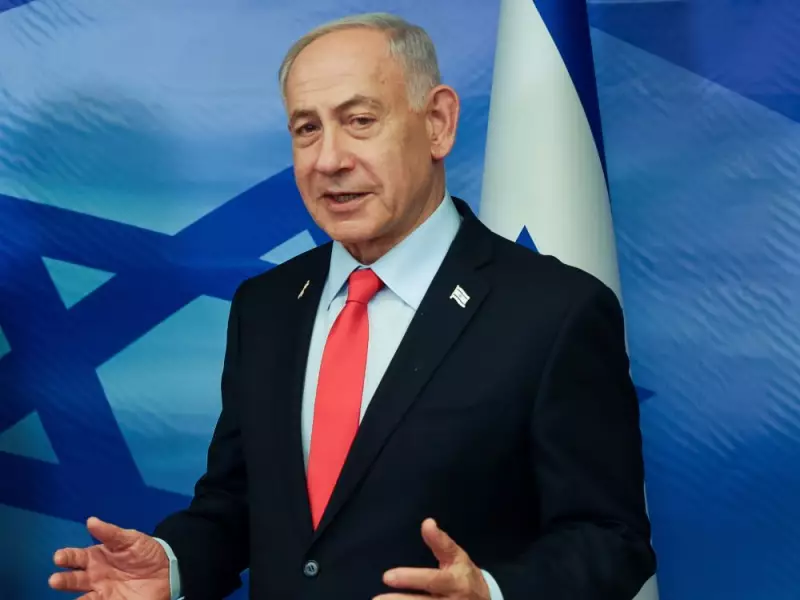
In a move that sent shockwaves through diplomatic circles, Israeli Prime Minister Benjamin Netanyahu delivered a geopolitical curveball just after Christmas. On Boxing Day, Israel extended formal recognition to the Republic of Somaliland, a breakaway region in the Horn of Africa that has operated independently for over three decades but remains largely unrecognized globally.
A Deliberate Provocation with Strategic Depth
The announcement, made on December 26, 2025, was swiftly met with widespread international condemnation. However, analysts argue the decision is far from a mere stunt. Legitimate strategic interests underpin the move. Somaliland's President, Muse Bihi Abdi, has expressed a clear intention to join the Abraham Accords, which would expand the circle of Arab and Muslim-majority nations normalizing relations with Israel.
Geographically, Somaliland's position is key. It sits at the mouth of the Red Sea and borders Yemen, offering Israel a potential vantage point. This location could facilitate operations against Houthi rebel targets and monitor a crucial maritime chokepoint often used to transport weapons to Israel's adversaries.

Somaliland vs. Palestine: A Study in Contrasts
The timing of Netanyahu's announcement is seen as a direct challenge to the international community. It comes mere months after numerous countries celebrated recognizing a Palestinian state. The move forces a stark comparison between the two entities.
Somaliland declared independence from Somalia in 1991, following the collapse of the Siad Barre regime. Since then, it has built the institutions of a functional state. It holds regular democratic elections praised by international observers, maintains its own police, army, currency, and judicial system, and operates with de facto sovereignty. A 2001 referendum on its constitution saw an overwhelming vote for independence.
In contrast, the proposed State of Palestine lacks clearly defined and agreed-upon borders. Its territory is split between Hamas-controlled Gaza and the West Bank, which is itself divided into areas of Israeli and Palestinian Authority control. No single, unified government holds authority, and key questions of disarmament and final borders remain unresolved.
International Backlash and the Hypocrisy Question
Despite Somaliland's tangible state attributes, Netanyahu's recognition provoked immediate fury. Regional powers and global actors condemned the decision, leading to a hastily convened United Nations Security Council meeting on Monday, December 29, 2025. In that forum, the United States stood virtually alone in defending Israel's sovereign right to make the decision.
The core of Netanyahu's argument—implied rather than stated—is one of glaring inconsistency. Why, his government asks, is the global community so quick to champion a Palestinian state that does not yet meet traditional criteria for statehood, while universally shunning Somaliland, which for decades has functioned as a peaceful, democratic entity in a volatile region? The move holds a mirror to what Israel views as the selective application of international law and diplomatic principles.
The recognition of Somaliland is thus a multifaceted play. It is a strategic gambit for influence in the Red Sea, a diplomatic troll aimed at exposing perceived double standards, and a bold statement of Israeli foreign policy independence. The repercussions of this Boxing Day announcement will likely ripple through international relations for months to come.