Japan Expresses Surprise and Discomfort Over Trump's Pearl Harbor Remarks on Iran
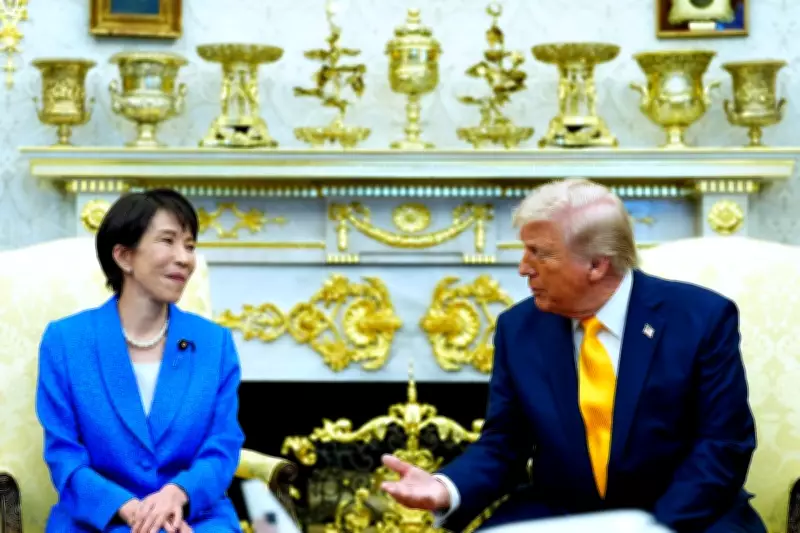
Japanese officials and citizens have reacted with a mixture of surprise, embarrassment, and unease following former U.S. President Donald Trump's recent invocation of the Pearl Harbor attack to defend potential military action against Iran. The comments were made during a high-profile meeting between Trump and Japan's Prime Minister Sanae Takaichi at the White House on March 19, 2026.
A Controversial Historical Analogy
During their Oval Office discussion, Trump reportedly drew a direct parallel between the 1941 Japanese attack on Pearl Harbor and contemporary threats from Iran, suggesting that similar preemptive measures might be justified. This analogy has sparked significant discomfort in Japan, where the memory of World War II remains a sensitive and complex issue.
Japanese government sources have indicated that while diplomatic protocols were maintained during the meeting, there was clear internal surprise at Trump's choice of historical reference. The Pearl Harbor attack, which killed 2,403 Americans and propelled the United States into World War II, is not typically invoked in modern diplomatic discourse about Iran.

Public and Political Reactions in Japan
Japanese media outlets have widely covered the incident, with many commentators expressing embarrassment that their nation's wartime history was being used to justify potential conflict in the Middle East. Public sentiment, as reflected in social media and opinion pieces, shows a distinct unease about the implications of such rhetoric.
"The comparison feels inappropriate and historically insensitive," noted one Tokyo-based political analyst. "It places Japan in an awkward position, particularly given our nation's postwar commitment to pacifism and diplomatic solutions."
Prime Minister Takaichi's office has issued a carefully worded statement acknowledging the discussion without directly commenting on the Pearl Harbor analogy. However, diplomatic observers note that Japanese officials have privately expressed concern about the potential escalation of tensions in the Middle East and the implications for Japan's energy security, given its reliance on oil imports from the region.
Broader Diplomatic Implications
The incident comes at a delicate time in U.S.-Japan relations, with both nations navigating complex security challenges in the Asia-Pacific region. Japan has traditionally maintained a cautious approach to Middle East conflicts, focusing on diplomatic engagement and economic ties rather than military involvement.
Trump's remarks have raised questions about how historical analogies are employed in contemporary foreign policy discussions. Some security experts suggest that such comparisons can oversimplify complex geopolitical situations and potentially damage diplomatic relationships.
The White House meeting, which was intended to strengthen bilateral cooperation, has instead highlighted the challenges of navigating historical memory in international diplomacy. As Japan continues to process this unexpected diplomatic episode, observers will be watching closely to see how it affects future U.S.-Japan discussions on global security matters.