Iran's Supreme Leader Confronts U.S. Amid Heightened Regional Tensions
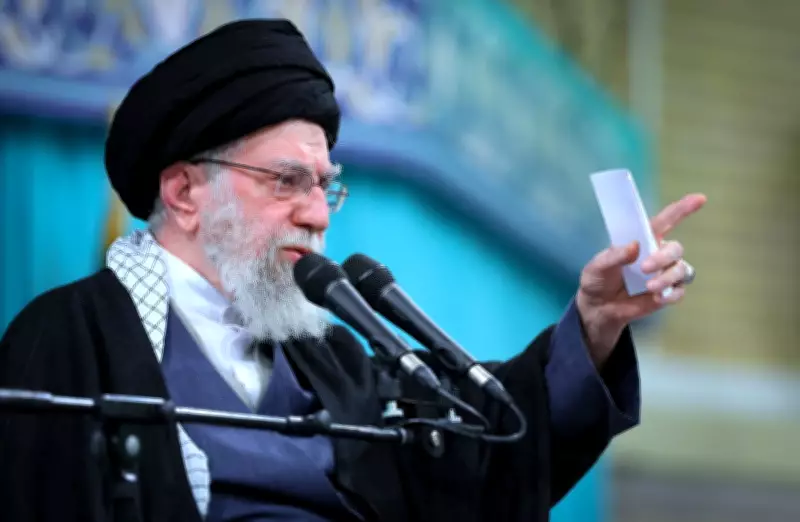
In a defiant address delivered from Tehran, Supreme Leader Ayatollah Ali Khamenei has issued a stark warning to the United States, declaring that American efforts to destabilize or destroy Iran are doomed to failure. The statement, made during a high-level meeting in the Iranian capital, underscores the deepening rift between the two nations as indirect negotiations remain deadlocked and military posturing intensifies in the strategically vital Strait of Hormuz.
A Firm Rejection of External Pressure
Khamenei's remarks represent a direct challenge to U.S. foreign policy objectives in the Middle East, emphasizing Iran's resilience and strategic autonomy. "The United States will not succeed in its attempts to undermine our nation," he proclaimed, framing the conflict as a broader struggle against Western hegemony. This rhetoric aligns with Iran's longstanding narrative of resistance, which has been a cornerstone of its political ideology since the 1979 Revolution.
Analysts interpret the Supreme Leader's comments as a response to recent escalations, including the temporary closure of the Strait of Hormuz by Iranian naval forces. This critical maritime chokepoint, through which a significant portion of the world's oil shipments passes, has been a flashpoint in U.S.-Iran relations for decades. The move is seen as a demonstration of Iran's capability to project power and disrupt global energy markets, thereby leveraging its geopolitical position.

Context of Stalled Diplomacy and Regional Instability
The timing of Khamenei's declaration is particularly significant, coming amid a protracted stalemate in indirect talks between Tehran and Washington. These negotiations, which have focused on issues ranging from nuclear proliferation to regional security, have yielded little progress, with both sides accusing the other of intransigence. The Supreme Leader's speech appears designed to reinforce Iran's bargaining position by projecting strength and unwavering resolve.
Furthermore, the address occurs against a backdrop of regional volatility, with conflicts and terrorist incidents continuing to destabilize neighboring countries. For instance, a recent suicide bombing in northwestern Pakistan resulted in the deaths of eleven soldiers and a child, highlighting the pervasive security challenges that complicate diplomatic efforts. Iran's leadership often cites such instability as evidence of the failures of U.S.-backed initiatives in the region.
Implications for International Relations
Khamenei's unequivocal stance has several immediate implications:
- Diplomatic Deadlock: The likelihood of a breakthrough in U.S.-Iran talks diminishes further, as hardline positions are publicly reinforced.
- Military Preparedness: Both nations may increase their military readiness in the Persian Gulf, raising the risk of accidental confrontations.
- Alliance Dynamics: Regional allies of the United States, such as Israel and Saudi Arabia, will closely monitor these developments, potentially adjusting their own security strategies in response.
- Economic Consequences: Ongoing tensions could exacerbate global energy price fluctuations, impacting markets already strained by geopolitical uncertainties.
In conclusion, Ayatollah Khamenei's proclamation serves as a potent reminder of the enduring antagonism between Iran and the United States. As both nations navigate a complex landscape of diplomatic, military, and economic pressures, the path to reconciliation appears increasingly fraught. The Supreme Leader's confidence in Iran's ability to withstand external pressure reflects a deep-seated conviction that will likely shape the trajectory of Middle Eastern politics for the foreseeable future.