Lavrov Rejects Claims of Russian Ambitions in Greenland, Asserts U.S. Awareness
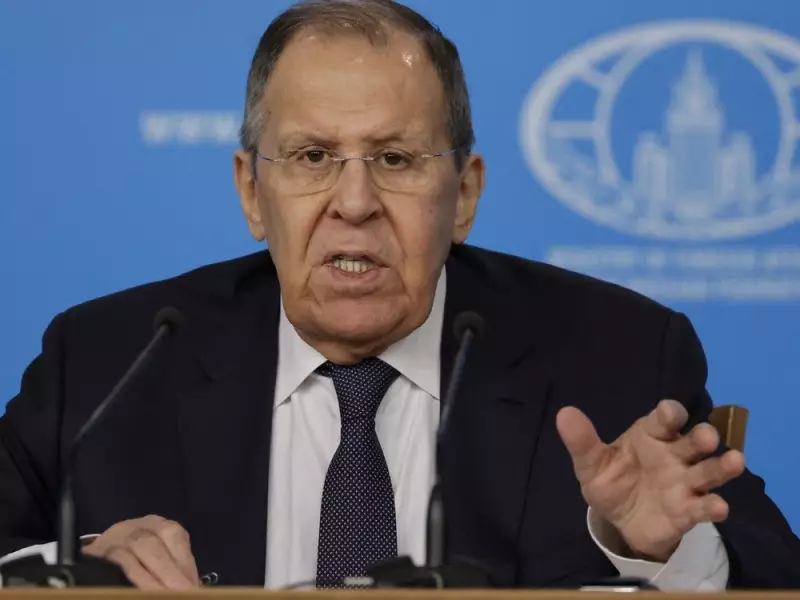
Russian Foreign Minister Sergei Lavrov has firmly denied any Russian intentions to seize Greenland, stating that the United States government is fully aware that neither Russia nor China harbors such plans. In his annual press conference held in Moscow on Tuesday, Lavrov addressed the escalating geopolitical tensions surrounding the Arctic territory.
No Evidence of Threat from Russia or China, Lavrov Insists
Lavrov emphasized that there is no evidence to support claims of a Russian or Chinese threat to Greenland. He told reporters, "We don't have any involvement whatsoever in plans to seize Greenland, and I have no doubt that Washington is fully aware that neither Russia, nor the People's Republic of China has any such plans." This statement comes amid heightened rhetoric from U.S. officials regarding the strategic importance of Greenland.
The Russian Foreign Minister clarified that Moscow's primary focus is on fostering open and cooperative relations in the Arctic region. "This is not our issue. Our primary concern is our interest in establishing open and free Arctic cooperation," he added, highlighting Russia's commitment to diplomatic engagement rather than territorial expansion.

U.S. Demands and Geopolitical Tensions in the Arctic
The backdrop to Lavrov's remarks involves increasing demands from former U.S. President Donald Trump for the United States to take control of Greenland from Denmark. Trump has framed this as a matter of national security, citing concerns over potential Russian or Chinese occupation of the territory. In early January, Trump asserted, "We are going to do something on Greenland whether they like it or not. We're not going to have Russia or China occupy Greenland and that's what they're going to do if we don't."
These statements have alarmed European allies within NATO, as they signal a shift in U.S. foreign policy and deepen the geopolitical rivalry in the Arctic. Lavrov noted that Russia is closely monitoring what he described as a "serious geopolitical situation" unfolding in the region.
Implications for Arctic Diplomacy and International Relations
The dispute over Greenland underscores the growing strategic significance of the Arctic, where melting ice caps are opening new shipping routes and access to natural resources. Lavrov's comments aim to reassure the international community of Russia's peaceful intentions, while also critiquing U.S. actions as provocative.
By dismissing the notion of a Russian threat, Lavrov seeks to position Russia as a responsible actor in Arctic affairs, advocating for multilateral cooperation over unilateral moves. This stance contrasts sharply with the Trump administration's more aggressive posture, which has sparked debates over sovereignty and security in the High North.
As tensions persist, the situation highlights the delicate balance of power in the Arctic and the need for transparent dialogue among nations with interests in the region. Lavrov's assertions serve as a reminder of the complex interplay between national security concerns and international diplomacy in today's geopolitical landscape.