Myanmar's legal representatives have formally rejected accusations that a deadly military campaign against the Rohingya Muslim minority amounted to genocide. The defense was presented at the United Nations' highest court, the International Court of Justice (ICJ) in The Hague.
The Core of Myanmar's Defense
During proceedings on January 16, 2026, Myanmar's delegation argued that the military operations in northern Rakhine State in 2017 were a legitimate counter-insurgency campaign. They stated the actions were aimed at responding to attacks by Rohingya militants and did not constitute acts intended to destroy the Rohingya people in whole or in part, which is the legal definition of genocide under international law.
The case was initiated by the West African nation of The Gambia in 2019, alleging Myanmar violated the 1948 Genocide Convention. The hearings this week are part of the broader, ongoing legal process at the ICJ.

Background of the 2017 Crisis
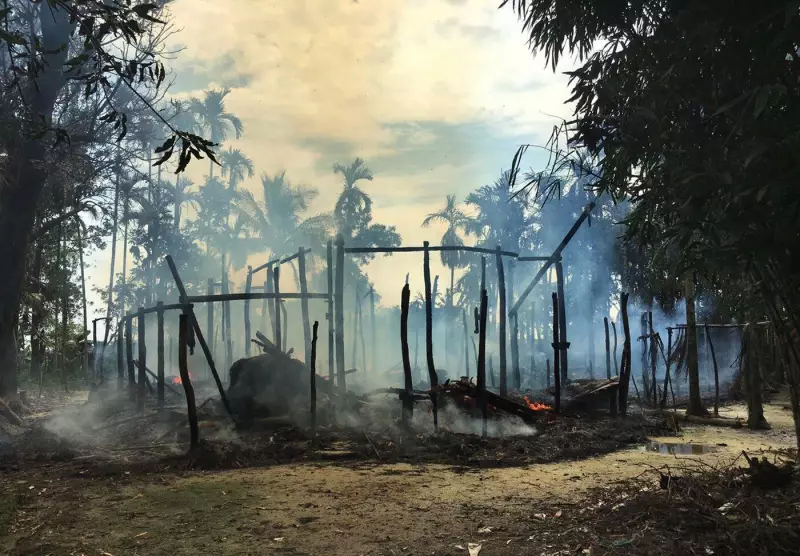
The military crackdown referenced in the case followed attacks by an insurgent group on police posts in August 2017. In response, Myanmar's army launched a sweeping operation that led to a mass exodus. Over 700,000 Rohingya fled to neighboring Bangladesh, with widespread reports of villages being burned, extrajudicial killings, and sexual violence.
Prior to the crisis, the vast majority of the country's estimated 1.1 million Rohingya lived in Rakhine state. The minority has long faced persecution and is denied citizenship in Myanmar, which considers them Bengali immigrants.
International Repercussions and Next Steps
The case at the International Court of Justice is a landmark attempt to hold a state accountable for genocide. While the court's rulings are legally binding, enforcement mechanisms are limited. A final judgment on whether genocide occurred could take years.
Separately, the International Criminal Court (ICC) is investigating individual criminal responsibility for alleged crimes against the Rohingya. The UN's Independent Investigative Mechanism for Myanmar is also collecting evidence of international crimes.
Myanmar's denial at the ICJ stands in stark contrast to the findings of a UN fact-finding mission, which concluded in 2018 that the military's actions bore "the hallmarks of genocide" and called for top generals to be prosecuted. The world court will now deliberate on the arguments presented before issuing its next steps in the protracted legal battle.