A prominent activist organization based in the United States has released a sobering new report, stating it has now verified the deaths of 3,919 individuals during the recent wave of protests in Iran. The figure, made public on Sunday, January 18, 2026, represents one of the most comprehensive tallies to emerge from the period of civil unrest.
Verifying the Toll of Unrest
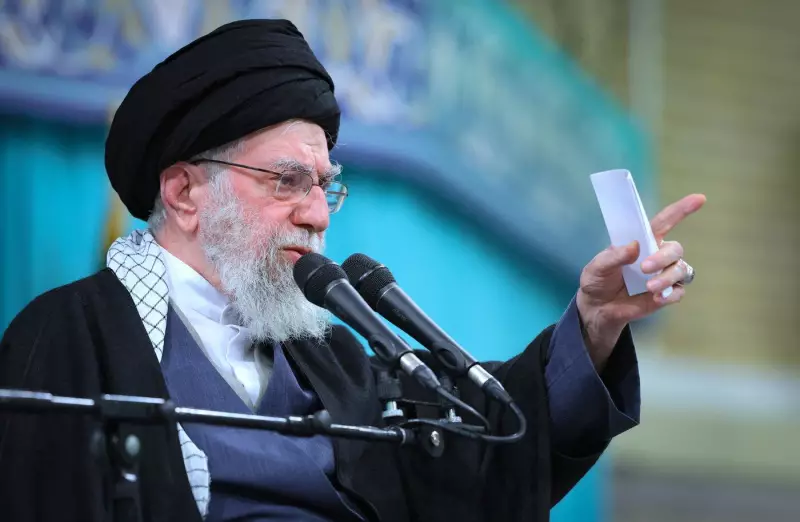
The agency, which specializes in documenting human rights violations, employed a rigorous methodology to confirm each case. This verification process typically involves cross-referencing multiple sources, including eyewitness accounts, video evidence, and local reports, to ensure accuracy amidst often conflicting narratives from official channels. The release of this data comes just one day after Iranian Supreme Leader Ayatollah Ali Khamenei was pictured addressing a meeting in Tehran, a reminder of the state's firm stance during the turmoil.
Canadian Cities Echo Calls for Action
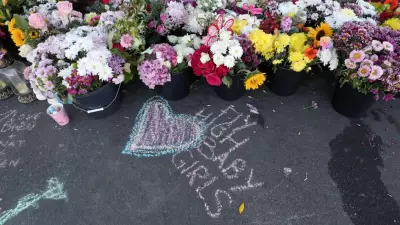
The report has resonated strongly within the Iranian diaspora and human rights advocates in Canada. In cities like Edmonton and Waterloo, residents have continued to organize rallies and vocalize demands for stronger international intervention. These communities have been closely monitoring the situation, with the escalating death toll adding urgency to their calls for diplomatic pressure and accountability from the Iranian government.

The verified death toll of 3,919 marks a significant and tragic milestone, providing concrete data for international bodies and foreign governments to reference. Human rights groups argue that such independently verified figures are crucial for countering state-sponsored disinformation and for shaping a proportionate global response to the crisis.
Implications for International Policy
This new data is likely to intensify debates in capitals worldwide, including Ottawa, regarding the appropriate level of diplomatic and economic response. The scale of the verified casualties underscores the severe nature of the crackdown and presents a direct challenge to nations that advocate for human rights on the global stage. The report's publication ensures the human cost of the protests remains at the forefront of international discourse, complicating diplomatic relations and potentially influencing future policy decisions concerning Iran.
As the world digests this verified account of lives lost, the focus shifts to whether concrete actions will follow the expressions of concern. For the families of the victims and the activists on the ground, these numbers are not statistics but a profound representation of their struggle for change.