North Korea Issues Grave Warning to South Korea, Extends Olive Branch to United States
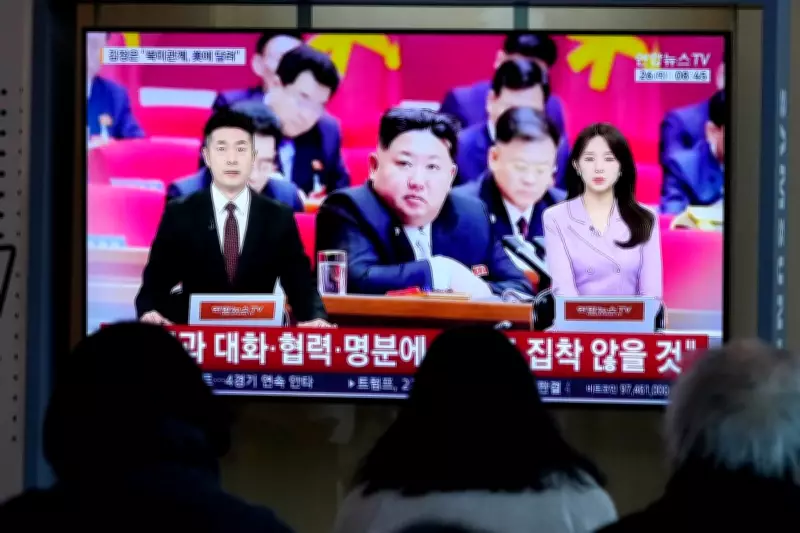
In a dramatic escalation of rhetoric, North Korea has issued a stark warning that it could annihilate South Korea if it perceives any threat from its southern neighbor. This aggressive statement comes amid heightened military tensions on the Korean Peninsula, yet Pyongyang has intriguingly left the door open for potential diplomatic engagement with the United States.
Military Posturing and Diplomatic Signals
The warning was delivered through state media, emphasizing North Korea's readiness to respond with overwhelming force to any provocation. Analysts interpret this as part of a long-standing strategy to assert dominance and deter perceived aggression from South Korea and its allies. However, the simultaneous expression of openness to dialogue with the U.S. suggests a nuanced approach, possibly aimed at driving a wedge between Seoul and Washington or securing concessions in future negotiations.
This dual-track strategy of combining threats with diplomatic overtures is not new for North Korea, but its timing is critical given recent military exercises in the region. The international community is closely monitoring these developments, as any miscalculation could lead to catastrophic consequences.

Regional and Global Implications
The situation underscores the fragile security dynamics in Northeast Asia. South Korea has consistently called for restraint and dialogue, while the U.S. has reiterated its commitment to defending its allies. Experts note that North Korea's actions may be influenced by domestic factors, including economic challenges and a desire to strengthen its bargaining position on the global stage.
Key points to consider:
- North Korea's warning highlights its advanced military capabilities, including nuclear weapons.
- The offer for U.S. talks could be a tactical move to gain economic or political benefits.
- Regional stability hinges on careful diplomacy to prevent escalation.
As tensions simmer, the path forward remains uncertain. Both confrontation and dialogue are on the table, making this a pivotal moment for peace efforts in the region. Observers urge all parties to prioritize de-escalation and explore diplomatic channels to address underlying issues.