Pakistan Advances Preparations for US-Iran Talks as Ceasefire Hangs in Balance
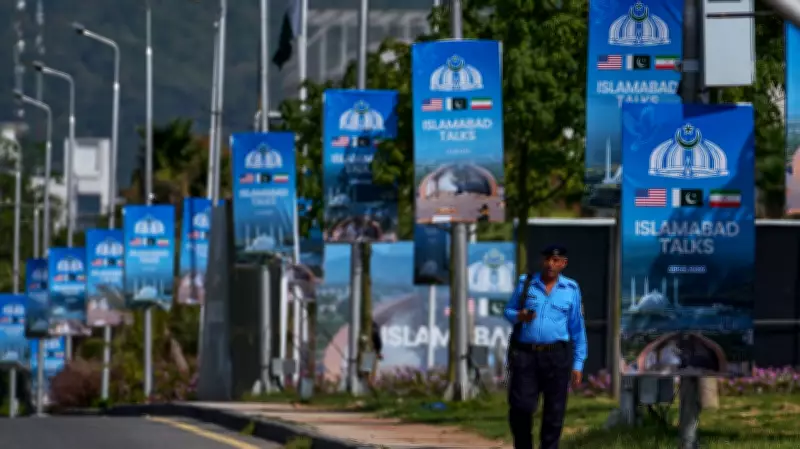
Pakistan pressed forward with groundwork on Tuesday for a second round of negotiations between Iran and the United States in Islamabad, even as a fragile ceasefire remained uncertain and Tehran's participation was unclear. The diplomatic efforts unfolded amid heightened security across the capital, where authorities deployed thousands of personnel and increased patrols along airport routes.
Rhetorical Standoff and Ceasefire Deadline
Both nations maintained entrenched positions, with U.S. President Donald Trump warning that "lots of bombs" would "start going off" if no agreement is reached before the ceasefire deadline, which he identified as Wednesday. Meanwhile, Iran's chief negotiator and parliamentary speaker, Mohammed Bagher Qalibaf, declared that Tehran possesses "new cards on the battlefield" yet to be revealed, emphasizing that Iran "does not accept negotiations under the shadow of threats."
The two-week ceasefire began on April 8 and appeared likely to be extended if talks resume as scheduled. White House officials confirmed that U.S. Vice President JD Vance would lead the American delegation, but Iran has not announced its representatives. Iranian state television broadcast a message stating that "no delegation from Iran has visited Islamabad... so far," reflecting internal debates within Iran's theocracy following the U.S. Navy's seizure of an Iranian container ship over the weekend.

Strait of Hormuz: Central Point of Contention
The United States has implemented a blockade of Iranian ports to pressure Tehran into ending its control over the Strait of Hormuz, a critical shipping lane through which 20% of the world's natural gas and crude oil transits during peacetime. Iran's dominance of the strait has driven oil prices sharply higher, with Brent crude trading near $95 per barrel on Tuesday, representing a more than 30% increase since February 28, when Israel and the U.S. initiated attacks on Iran.
Before the conflict, the Strait of Hormuz was fully accessible to international shipping, and Trump has demanded unrestricted vessel passage through the waterway. European Union transportation ministers convened in Brussels on Tuesday to address consumer protection concerns after the International Energy Agency warned that Europe might have only six weeks of jet fuel supplies remaining.
Over the weekend, Iran acknowledged receiving new proposals from Washington but indicated that significant gaps persist between the sides. Previous negotiations stalled over issues including Iran's nuclear enrichment program, its regional proxies, and control of the strait.
Pakistan's Diplomatic Efforts and Security Measures
Despite the escalating rhetoric, Pakistani officials expressed optimism that Iran would send a delegation late Tuesday to resume talks. Pakistani Foreign Minister Ishaq Dar engaged in diplomatic preparations, speaking with Egyptian counterpart Badr Abdelatty about regional developments and meeting with China's ambassador. China, a key Iranian trading partner, stated through Foreign Ministry spokesman Guo Jiakun that the conflict is at a "critical stage of transition between war and peace," urging all parties to demonstrate "utmost sincerity" and maintain ceasefire momentum.
Security arrangements in Islamabad appeared more stringent than during the first round of talks on April 11-12, suggesting potential high-level participation if negotiations progress. Islamabad-based security analyst Syed Mohammad Ali noted that Pakistan seems to be preparing for possible visits by top U.S. and Iranian leaders should talks advance to a signing stage.
Parallel Diplomatic Developments: Israel-Lebanon Talks
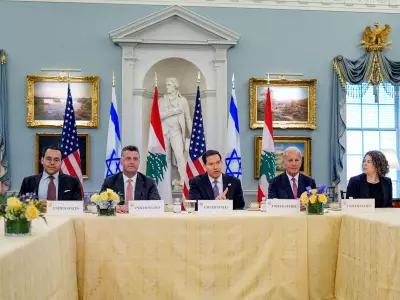
In related diplomatic news, historic talks between Israel and Lebanon are scheduled to resume on Thursday in Washington, according to Israeli, Lebanese, and U.S. officials speaking anonymously. The Israeli and Lebanese ambassadors met last week for their first direct diplomatic discussions in decades, with Israel aiming to disarm Hezbollah and achieve a peace agreement with Lebanon.

A 10-day ceasefire began on Friday in Lebanon, where fighting between Israel and Iranian-backed Hezbollah militants erupted two days after the U.S. and Israel launched joint strikes on Iran. The conflict in Lebanon has resulted in over 2,290 fatalities. Since the war's inception, at least 3,375 people have been killed in Iran, 23 in Israel, and more than a dozen in Gulf Arab states, with 15 Israeli soldiers in Lebanon and 13 U.S. service members throughout the region also losing their lives.