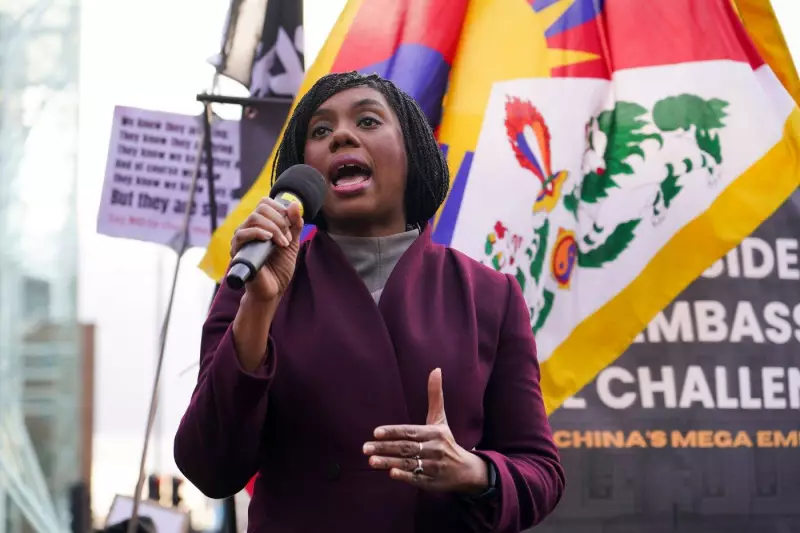
Opponents of China's proposed new diplomatic complex in London took to the streets to voice their opposition as a critical deadline for a planning decision looms. The demonstration, which occurred on Saturday, January 17, 2026, featured prominent political figures and highlighted growing tensions over the scale and symbolism of the planned facility.
Political Figures Join Public Demonstration
Britain's opposition leader Kemi Badenoch was a notable participant in the protest, speaking to crowds gathered to challenge the embassy plans. The proposed "mega embassy" has become a flashpoint for critics who view it as an extension of Chinese influence and are concerned about its potential security implications. The protest underscores the political sensitivity surrounding international relations and urban development in the UK capital.
Decision Deadline Adds Urgency
The timing of the protest is directly linked to an impending deadline for local authorities to rule on the planning application for the diplomatic compound. This pending decision has galvanized opponents who are making a final public push to sway opinion. The controversy touches on broader issues of foreign policy, architectural impact, and community consent in central London.

Broader Context of International Relations
This diplomatic dispute occurs against a complex backdrop of global trade and politics. Notably, the protest news appears alongside reports of a new trade deal between China and Saskatchewan's canola farmers, hailed as "very good news" by Premier Scott Moe. This juxtaposition illustrates the multifaceted and often contradictory nature of international engagement, where economic interests and geopolitical concerns frequently collide.
The outcome of the planning decision will be closely watched, as it will signal the UK's stance on balancing diplomatic necessities with public and political apprehensions regarding the architectural and symbolic footprint of a major global power.