U.S. Secretary of State Details Strategy for Venezuela's Oil Revenue
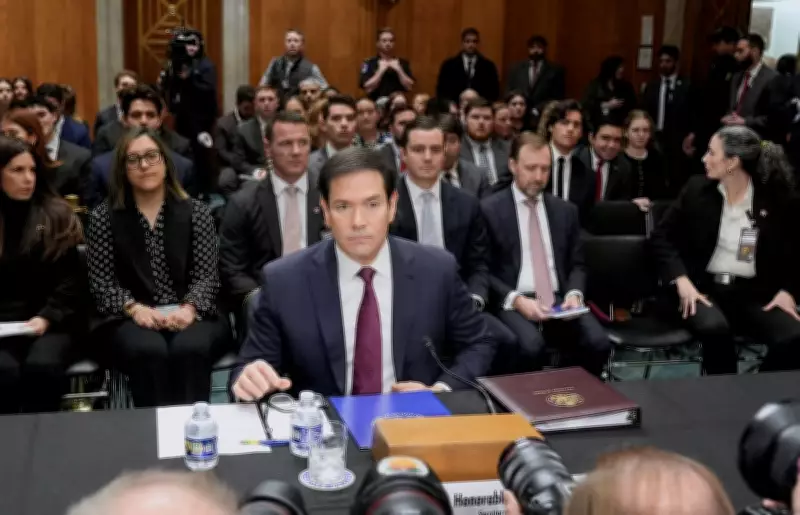
In a significant development on Capitol Hill, Secretary of State Marco Rubio appeared before the Senate Foreign Relations Committee on Wednesday, January 28, 2026. The hearing focused on the Trump administration's comprehensive plan to exert control over Venezuela's substantial oil revenue, a move that could reshape economic and political dynamics in the region.
Strategic Control of Petroleum Funds
During his testimony, Rubio outlined a multi-faceted approach designed to manage and potentially redirect Venezuela's oil money. This strategy represents a key component of the administration's foreign policy toward the South American nation, which has been grappling with political instability and economic challenges for years.
The Secretary of State emphasized that controlling these financial resources is crucial for several reasons. First, it aims to prevent the current Venezuelan government from using oil revenue to support activities that undermine democratic principles. Second, the plan seeks to ensure that future funds can be allocated toward humanitarian assistance and economic stabilization efforts within Venezuela.

Broader Implications for International Relations
Rubio's testimony highlighted how this initiative fits within broader U.S. foreign policy objectives. By targeting Venezuela's primary economic asset, the administration hopes to apply pressure that could lead to political reforms and improved governance. The Secretary noted that similar strategies have been employed in other international contexts with varying degrees of success.
The hearing also touched upon the legal and diplomatic mechanisms that would be necessary to implement such control. Rubio assured committee members that the administration is working closely with international partners and financial institutions to develop a framework that respects international law while achieving policy goals.
Reactions and Future Steps
While specific details of the plan remain classified, Rubio's appearance before the Senate committee marks a public commitment to this strategic direction. The Secretary fielded questions from senators regarding potential risks, including possible retaliatory measures from Venezuela and its allies, as well as the impact on global oil markets.
As the administration moves forward with this initiative, ongoing congressional oversight will be essential. The Senate Foreign Relations Committee is expected to monitor implementation closely, with additional hearings likely as the strategy evolves. This development underscores the continuing importance of Venezuela in U.S. foreign policy calculations and the innovative approaches being considered to address complex international challenges.