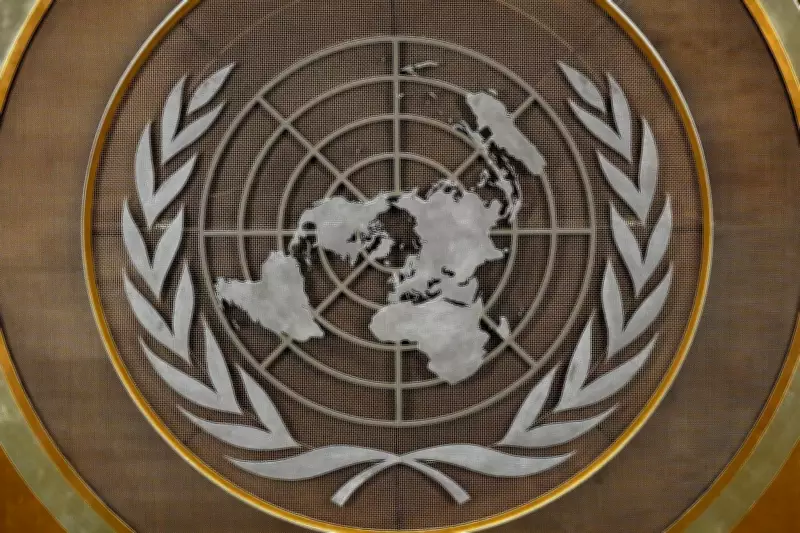
In a significant geopolitical move, Russia and China have jointly vetoed a United Nations Security Council resolution that sought to reopen the Strait of Hormuz, a critical maritime chokepoint for global oil shipments. The resolution, which had already been diluted from its original form, failed to pass despite international pressure to address the escalating tensions in the region.
Diplomatic Standoff at the United Nations
The veto occurred during a session of the UN Security Council, where member states debated the proposed measure aimed at ensuring safe passage through the strait. The resolution called for diplomatic efforts to de-escalate conflicts and guarantee freedom of navigation, but it faced strong opposition from Moscow and Beijing. This action underscores the deepening divisions within the international community over how to handle security threats in key strategic areas.
Implications for Global Trade and Energy Security
The Strait of Hormuz is a vital artery for the world's oil supply, with approximately one-fifth of global petroleum exports passing through it daily. The veto by Russia and China raises concerns about potential disruptions to energy markets and international trade. Analysts warn that this move could exacerbate existing conflicts and lead to increased volatility in oil prices, impacting economies worldwide.

Russia and China have defended their decision, citing sovereignty concerns and arguing that the resolution was overly interventionist. In contrast, Western nations, including the United States and European Union members, expressed disappointment, emphasizing the need for collective action to maintain maritime security. The deadlock highlights the challenges of achieving consensus in a multipolar world order.
Background and Regional Context
The Strait of Hormuz has been a flashpoint for tensions, particularly involving Iran and neighboring countries. Recent incidents, including naval confrontations and threats to shipping lanes, have prompted calls for UN intervention. The watered-down nature of the resolution—stripped of stronger enforcement mechanisms—reflects the difficulty in crafting a proposal acceptable to all Security Council members.
This veto marks a notable setback for diplomatic efforts to stabilize the region. It follows a pattern of Russia and China using their veto power to block Western-backed initiatives, signaling a shift in global power dynamics. The outcome may prompt alternative approaches, such as bilateral negotiations or regional alliances, to address security concerns in the Strait of Hormuz.
As the situation evolves, stakeholders are closely monitoring for any further developments that could impact global energy supplies and international relations. The veto serves as a reminder of the complex interplay between geopolitics and economic interests in today's interconnected world.