Russia Denies European Allegations of Navalny Poisoning
Russia has issued a firm rejection of accusations from five European countries that opposition leader Alexei Navalny was poisoned, as supporters commemorated the second anniversary of his death in prison. The Kremlin spokesperson, Dmitry Peskov, stated on Monday that Russia "strongly rejects" these claims, labeling them as biased and baseless.
European Nations Point Finger at Kremlin
The United Kingdom, Sweden, France, Germany, and the Netherlands released a joint statement over the weekend asserting that Navalny was poisoned with epibatidine, a toxin derived from poison dart frogs. They argued that the Russian state possessed the means, motive, and opportunity to deploy this lethal substance.
British Foreign Secretary Yvette Cooper emphasized, "Russia saw Navalny as a threat. By using this form of poison, the Russian state demonstrated the despicable tools it has at its disposal and the overwhelming fear it has of political opposition." French Foreign Affairs Minister Jean-Noël Barrot added on social media that the alleged poisoning shows Vladimir Putin is willing to use biological weapons against his own people to maintain power.

Navalny's Legacy and Supporters' Tributes
Alexei Navalny, a prominent anti-corruption campaigner and vocal critic of President Vladimir Putin, died in an Arctic penal colony in February 2024 while serving a 19-year sentence for extremism. He had previously survived a suspected poisoning with the Novichok nerve agent in 2020.
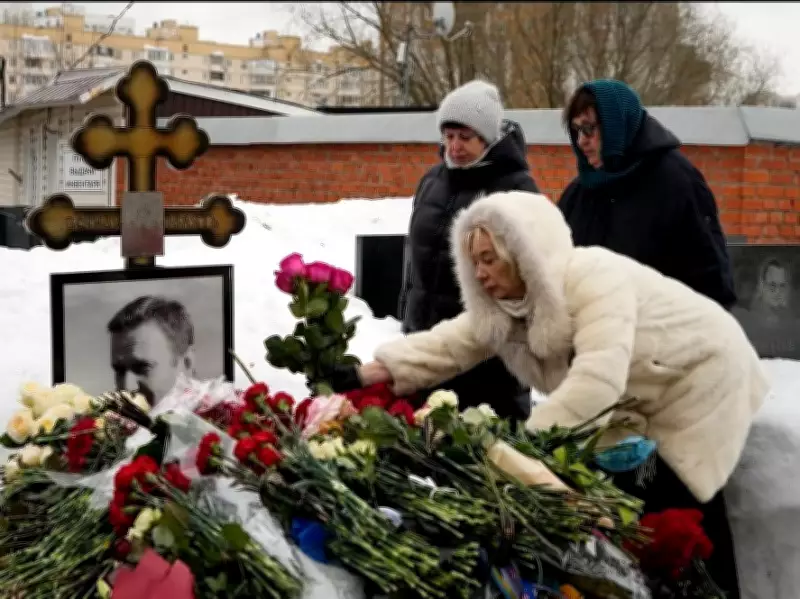
On Monday, dozens of people visited Navalny's grave in Moscow, with some wearing masks or scarves to conceal their identities due to the risks associated with supporting the opposition figure. Russian authorities have designated Navalny and his organization as extremist, making any mention of him or his foundation liable for prosecution.
Family Reactions and Calls for Justice
Navalny's mother, Lyudmila, expressed vindication following the European statement, telling reporters, "This confirms what we knew from the very beginning. We knew that our son did not simply die in prison, he was murdered." She called for those responsible to be held accountable, hoping for justice to prevail in Russia.
Navalny's widow, Yulia Navalnaya, stated on Saturday that it is now "science proven" her husband was murdered, alleging on social media that "Putin killed Alexei with chemical weapon" and demanding accountability.
Understanding Epibatidine and Its Implications
Epibatidine, a toxin found in Ecuadorian dart frogs, causes muscle paralysis and eventual asphyxiation. Experts note it can also be synthetically produced. Britain's foreign office highlighted that the poison is not naturally found in Russia, reinforcing their claim that only the Russian state could have used it.
Russia's prison service previously reported that Navalny fell ill during a walk and died, but these new allegations have reignited international scrutiny. The ongoing tensions underscore the challenges faced by opposition movements in Russia and the global response to human rights concerns.