Trump Secures Key Pledges for Gaza Reconstruction and Troop Commitments at Inaugural Peace Talks
In a significant diplomatic development, U.S. President Donald Trump has successfully obtained substantial pledges for the reconstruction of Gaza and secured international troop commitments during the inaugural session of the Board of Peace talks. This high-level meeting, held on February 19, 2026, represents a pivotal effort to address the ongoing Israel-Hamas conflict and its devastating humanitarian aftermath.
Diplomatic Breakthrough in Washington
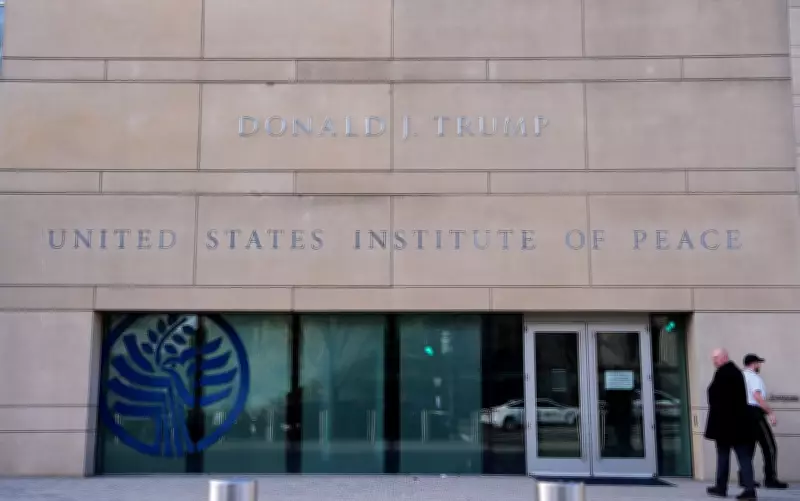
The talks, convened at the U.S. Institute of Peace in Washington, D.C., brought together key stakeholders to forge a path toward stability in the region. President Trump, whose name adorns the institute's building, leveraged his administration's influence to broker these critical agreements. The pledges for Gaza reconstruction aim to address the extensive damage inflicted during the war, focusing on rebuilding infrastructure, homes, and essential services that have been decimated by the conflict.
According to sources close to the negotiations, the troop commitments involve several allied nations agreeing to deploy personnel to support peacekeeping and reconstruction efforts in Gaza. This multinational approach is designed to ensure security and facilitate the delivery of aid, while also preventing a resurgence of hostilities. The exact number of troops and the timeline for deployment are still being finalized, but the commitments mark a tangible step toward implementing the peace framework discussed at the talks.

Focus on Humanitarian and Security Measures
The Board of Peace talks emphasized a dual strategy: immediate humanitarian relief followed by long-term security arrangements. The reconstruction pledges are expected to include funding for hospitals, schools, and water systems, addressing the urgent needs of Gaza's civilian population. Simultaneously, the troop commitments are intended to create a stable environment where reconstruction can proceed without interference, reducing the risk of further violence.
This initiative comes amid widespread international concern over the humanitarian crisis in Gaza, where years of conflict have left basic services in ruins and displaced thousands of residents. By securing these pledges, the Trump administration aims to demonstrate U.S. leadership in conflict resolution and foster cooperation among global partners. The talks also touched on broader regional stability issues, though details remain confidential as negotiations continue.
Challenges and Next Steps
While the pledges represent a positive development, significant challenges lie ahead. Implementing reconstruction in a war-torn area requires coordination with local authorities, international agencies, and security forces to ensure efficiency and transparency. Additionally, the troop deployments must navigate complex geopolitical dynamics to avoid escalating tensions further.
The Board of Peace is scheduled to reconvene in the coming months to monitor progress and address any obstacles. Analysts suggest that the success of this initiative will depend on sustained diplomatic engagement and the willingness of all parties to adhere to their commitments. For now, the agreements forged at these inaugural talks offer a glimmer of hope for a region long plagued by conflict, signaling a potential turning point in the Israel-Hamas war.